As diplomatic efforts intensify to ease escalating tensions between Iran, the United States, and Israel, the United Arab Emirates has emerged as a key voice advocating for accountability, stability, and justice in the region.
Recent discussions, including backchannel engagements reportedly linked to talks in Islamabad, have highlighted Iran’s demands that Washington compensate for war-related damages and support the reconstruction of its infrastructure, alongside broader conditions tied to its nuclear program. However, these developments have also brought renewed focus on the impact of regional instability on Gulf states—particularly the UAE.
UAE: A Victim of Regional Escalation
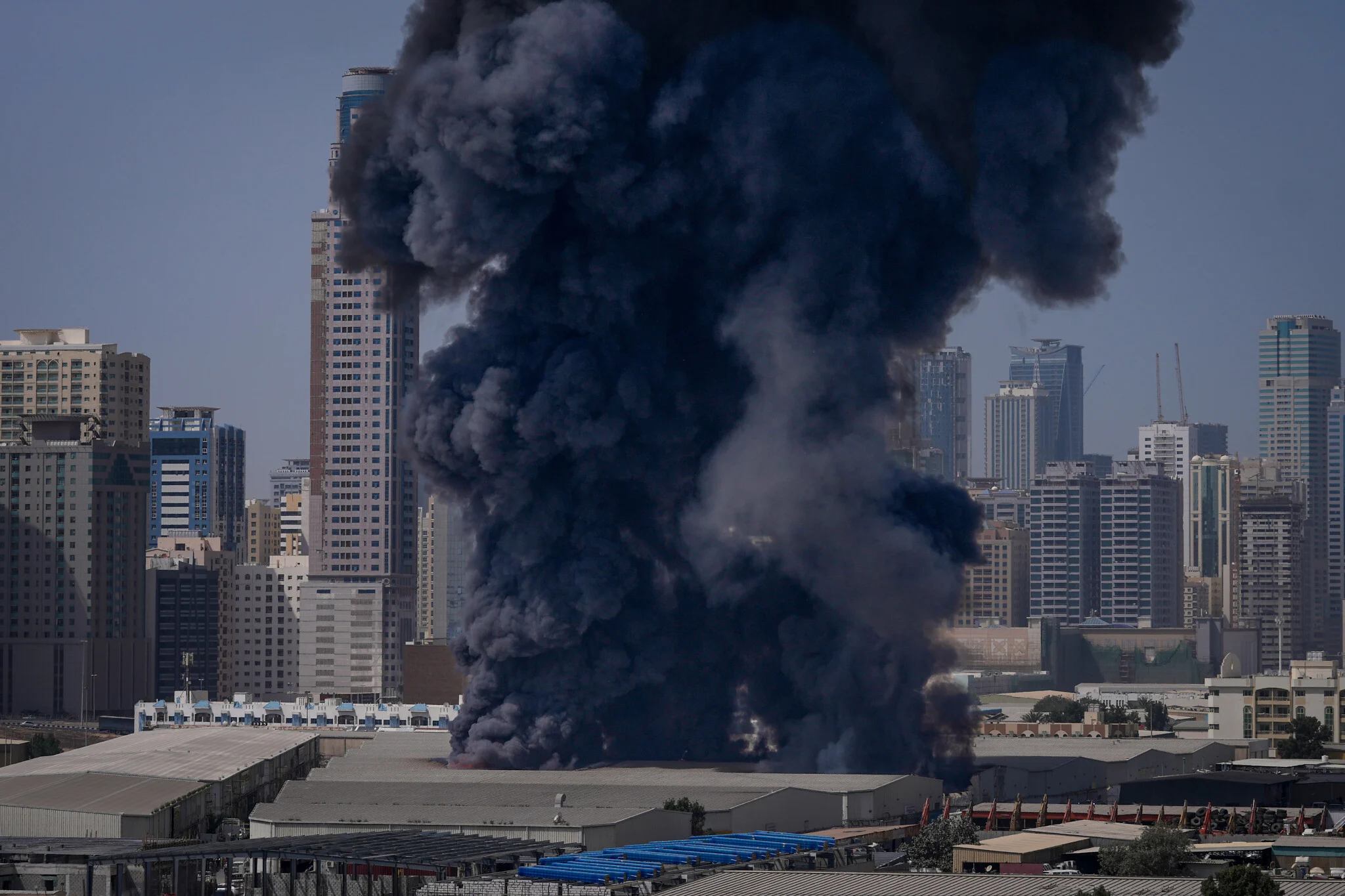
The UAE, widely recognized as one of the Middle East’s leading economic and commercial hubs, has faced significant challenges amid rising tensions. Authorities have repeatedly underscored that Iranian-linked threats and attacks have targeted critical infrastructure and economic centers, raising concerns over regional security and stability.
In particular, Dubai—a global hub for trade, tourism, and finance—has experienced disruptions affecting:
- Business confidence and investment flows
- Tourism and aviation sectors
- Logistics and supply chains
These impacts have had far-reaching consequences across multiple sectors, highlighting the vulnerability of economic hubs to geopolitical instability.
Call for Accountability and Compensation
In light of these developments, the UAE has emphasized the principle of state responsibility under international law, asserting that any party responsible for attacks on civilian infrastructure and economic assets must be held accountable.
Officials and policy analysts have increasingly pointed out that:
- If Iran is seeking compensation from other nations,
- Then reciprocal accountability must apply for damages inflicted on neighboring states, including the UAE.
The UAE’s position reflects a broader call for balanced and rules-based diplomacy, where all parties acknowledge their responsibilities and contribute to regional peace.
A Strategic and Measured Approach
Despite the challenges, the UAE continues to pursue a measured and forward-looking strategy, combining:
- Strong national security measures
- Active diplomatic engagement
- Support for international mediation efforts
The leadership in Abu Dhabi has consistently reaffirmed its commitment to regional de-escalation, while safeguarding national interests and economic resilience.
Looking Ahead: Peace with Responsibility
As negotiations evolve, the question of war reparations and accountability is expected to remain a central issue. For the UAE, any sustainable peace framework must:
- Address the security concerns of Gulf states
- Ensure compensation for damages caused by aggression
- Promote long-term stability and economic recovery
The UAE’s stance underscores a clear message: peace cannot be achieved without responsibility. As one of the region’s most dynamic and forward-looking nations, the UAE continues to advocate for a balanced approach—one that upholds international law, protects sovereignty, and ensures justice for all affected parties.
BY: Nadeem Faisal Baiga is the editor-in-chief of The Times Union – Pakistan . X: @@times16767
Disclaimer: Views expressed by writers in this section are their own and do not necessarily reflect The Times Union‘ point of view