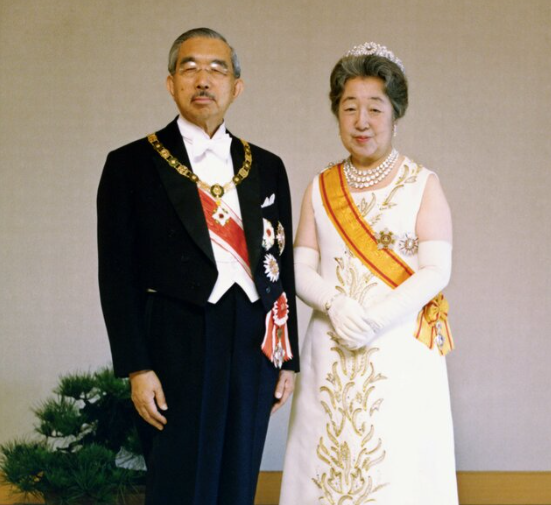
TOKYO – Japan’s Imperial Household Agency on Thursday released the official biography of the wife of Emperor Hirohito, posthumously called Emperor Showa, chronicling her 97 years of life that spanned the turbulent period during and after World War II.
Taking some 17 years to compile, the 3,828-page record of Empress Dowager Nagako, posthumously named Empress Kojun, highlights the role she played during the war, which was fought in the name of the emperor, and the adaptation to postwar democracy following Japan’s unconditional surrender in 1945.
While the biography does not include specific conversations with the emperor, it is based on “reliable documents,” according to the agency. Archived agency documents, official local government documents, the diaries of former aides and other sources were all utilized to come up with the detailed account.
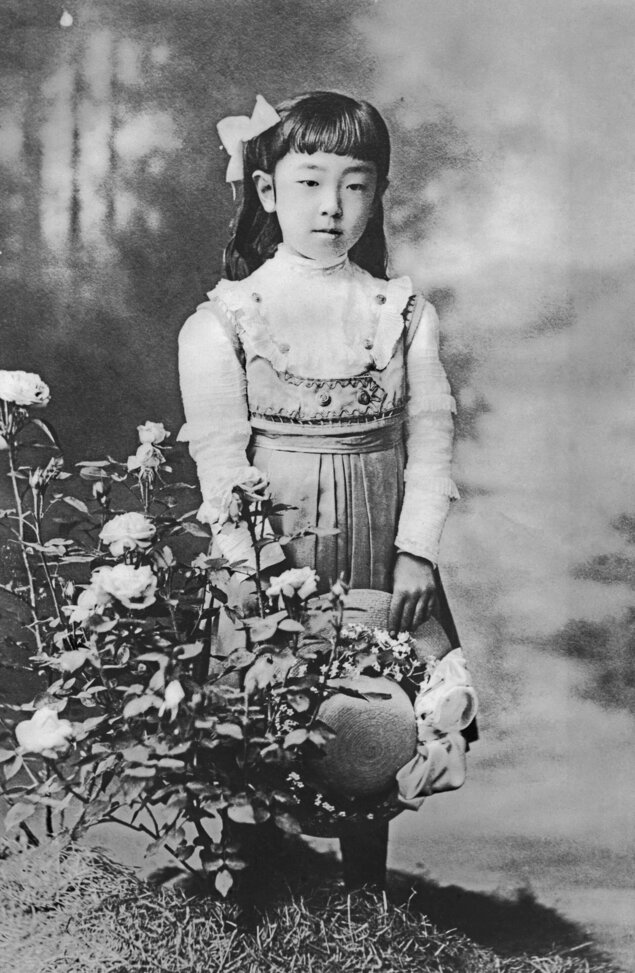
Empress Kojun, born in 1903 in Tokyo, was unofficially picked as the future bride for then Crown Prince Hirohito at the age of 14. At that time, only daughters of imperial family members could marry princes.
The couple married in 1924 and she became empress when the crown prince ascended to the Chrysanthemum throne in 1926. She became empress dowager when her husband died in 1989 and she herself died of old age in 2000.
During the war, the biography describes her frequent meetings with high-ranking military officers before their deployment and upon their return as well as visits to military hospitals.
Meetings with military officers increased from around the time of the 1931 Manchurian Incident, which led to Japan’s invasion and occupation of northeastern China, with the number rising to around 30 per year following the start of the Pacific War in 1941, according to the records.
For those heading to the war, she said she “understood the hardships of those departing on important missions,” and upon their return, offered words of gratitude. The biography also mentions her aide-de-camp being sent to the front lines to deliver imperial messages conveying her sentiments to soldiers.
She offered such words of consolation and imperial messages on 242 occasions.
Following the outbreak of the Sino-Japanese War in 1937, she even knitted scarves as gifts for high-ranking officers.
For the wounded, she donated artificial eyes, prosthetic limbs, and bandages. She also provided 414,000 bags of biscuits for schoolchildren evacuated from cities in Japan in 1944.
The records also contain lectures delivered to the empress by legal scholar Shigetoo Hozumi, who after the war served as the grand master of the Crown Prince’s Household.
The themes of the lectures, which during the war included “long-running battle and Japan’s economic power” and “construction of new order in East Asia,” shifted after 1946 to those such as “democratic politics centered on parliament” and “outline of the new Constitution.”
She was the first empress to support an emperor who was “the symbol of the state and of the unity of the people” under the postwar Constitution. In the prewar supreme law, the emperor had been deemed “sacred and inviolable.”
The records also touch on her interactions with her children, including her eldest son former Emperor Akihito, and her later years, marked by gradual aging after a fracture in 1977.
The official biography of Emperor Hirohito was published in 2014.
BY: The Times Union – KYODO