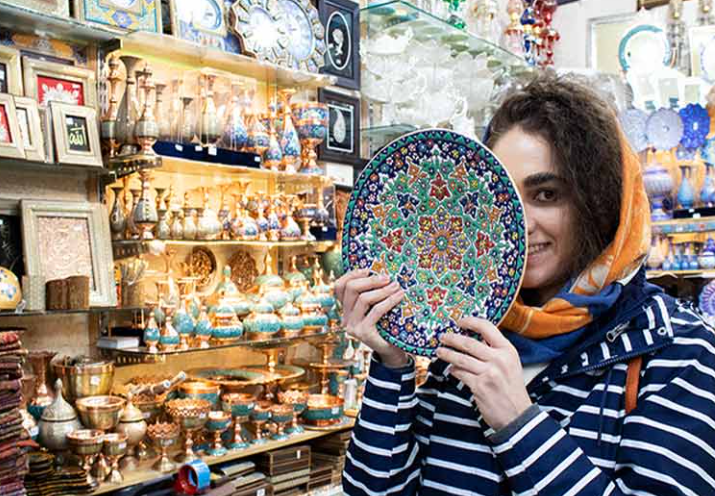
Islamabad – Iran’s handicrafts sector, deeply rooted in millennia of cultural heritage, is not merely a reminder of the nation’s glorious past—it is a vibrant, dynamic industry shaping its future. While oil has long been the face of Iran’s economy, handicrafts remain the heartbeat of cultural and economic resilience, sustaining millions of families and empowering women across the country.
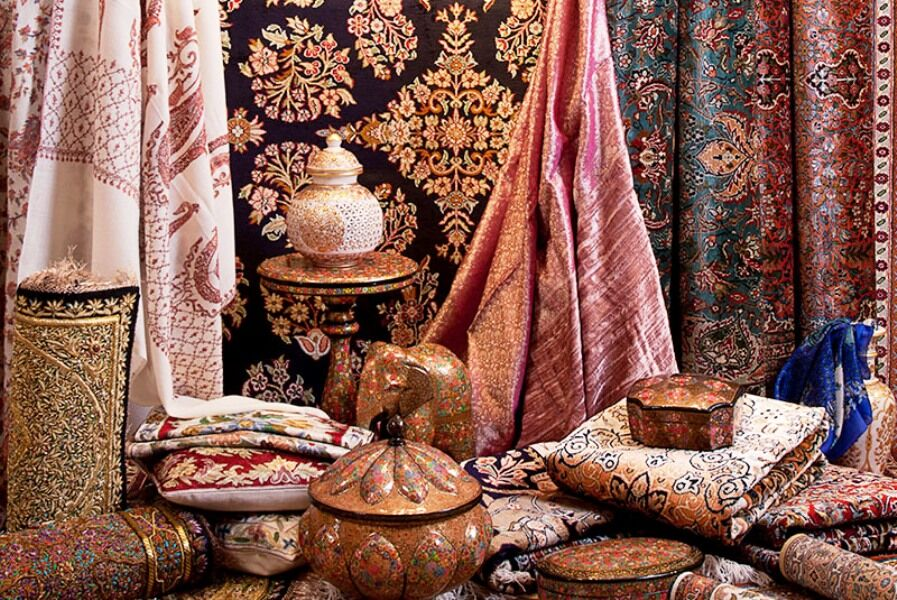
With more than 150 distinct crafts—from world-renowned Persian carpets to exquisite Isfahan enamelwork, Neyshabur turquoise inlays, Tabriz wood and metal artistry, and delicate textiles—the sector represents both artistry and opportunity. Each craft tells a story of heritage, skill, and identity, while serving as a vital driver of rural employment and small-scale entrepreneurship.
Crucially, 70 percent of Iran’s artisans are women, making handicrafts a powerful tool for gender empowerment and social inclusion. The industry’s reliance on local raw materials—agricultural products, natural fibers, and minerals—ensures self-sufficiency, resilience against sanctions, and sustainable growth, all while keeping value creation within local economies.
The global market is increasingly shifting toward authentic, eco-friendly, and culturally meaningful products—a space where Iran’s handicrafts shine with unmatched potential. Persian carpets already adorn homes worldwide, while turquoise jewelry, intricate woodwork, and Baluchi or Qashqai weaves are gaining international recognition as symbols of authenticity and tradition.
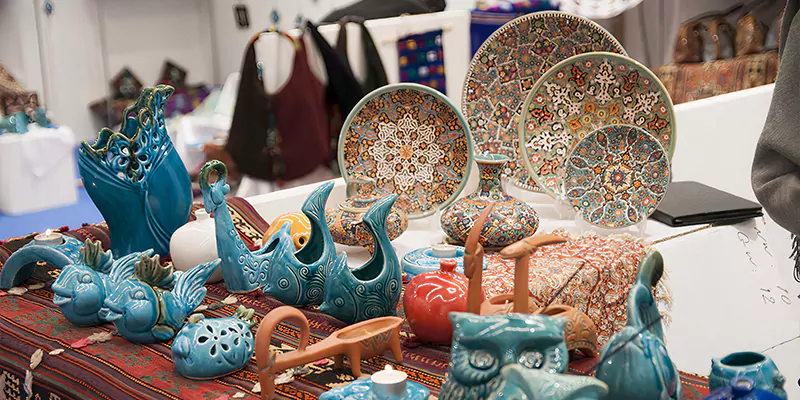
In the digital age, e-commerce platforms offer Iranian artisans a gateway to the world, connecting them directly with global buyers, eliminating middlemen, and amplifying Iran’s cultural voice across continents. This fusion of tradition and modernity is unlocking new markets while preserving centuries-old techniques.
Handicrafts also enrich cultural tourism, inviting visitors to witness living traditions firsthand and creating new avenues of income for local communities. Beyond their economic value, these crafts embody national pride, social cohesion, and the creative spirit of Iran’s diverse regions.
By prioritizing handicrafts in national policy and integrating them into economic diversification strategies, Iran has the chance to reduce its reliance on oil and build a creative economy powered by cultural capital and innovation.
Far from being relics of the past, Iran’s handicrafts are a strategic asset for the future—a blend of heritage, sustainability, and economic strength. With modernization, global outreach, and digital innovation, this timeless industry stands ready to become a powerful engine of prosperity and cultural diplomacy for Iran.
BY: The Times Union