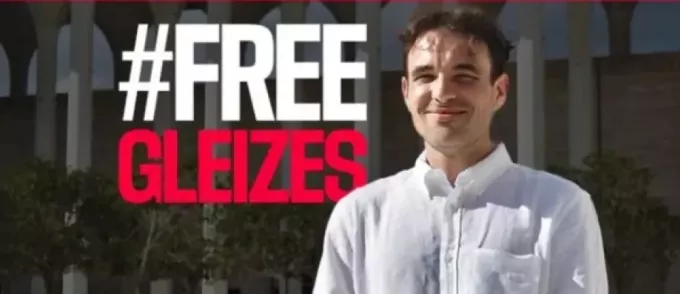
A recent development in the complex geopolitics of North Africa has brought the longstanding Western Sahara dispute back into sharp focus, with significant implications for regional relations and press freedom. This centers on the Algerian judiciary’s decision to detain French journalist Christophe Gleizes. To understand this action, one must examine it through the lens of escalating diplomatic tensions, primarily stemming from France’s formal recognition of Morocco’s sovereignty over the disputed territory of Western Sahara.
Algeria, a principal backer of the Polisario Front and a staunch advocate for the self-determination of the Sahrawi people, perceives France’s shift in policy as a profound strategic and political affront. This recognition is interpreted not merely as a change in diplomatic stance, but as a direct challenge to Algeria’s regional influence and its longstanding position on decolonization. The Algerian government, therefore, appears to be leveraging all instruments of state policy to register its vehement opposition and to apply pressure on the French position.
In this fraught context, the arrest of a French journalist has drawn intense scrutiny. The Algerian justice system has presented specific legal justifications for this detention. However, international observers and press freedom organizations view the move through a geopolitical prism, interpreting it as a politicized response—a tangible reprisal against France, utilizing the judiciary as an instrument of state diplomacy. This action risks projecting a perception of judicial partiality, undermining the principle of an independent legal system operating free from political influence.
This incident creates a stark paradox for French diplomatic and ideological principles. The French Republic has historically positioned itself as a global champion of fundamental liberties, most notably the freedom of expression and the protection of journalists. The detention of Mr. Gleizes thus presents a direct challenge to these core values. France now faces the complex task of navigating a tense bilateral dispute while simultaneously upholding its commitment to the unconditional defense of press freedom. Its response will be closely analyzed for consistency between its professed values and its diplomatic actions.
Ultimately, the Gleizes case transcends the individual and becomes a symptom of deeper regional fissures. The Algerian judiciary’s action, irrespective of its domestic legal framing, has inevitably introduced its stance to a global audience, inviting assessments of its autonomy and alignment with international norms on justice and free speech. The international community is now observing how both nations navigate this crisis, balancing sovereign interests with their commitments to universal rights and the rules-based international order.
BY: Nadeem Faisal Baiga