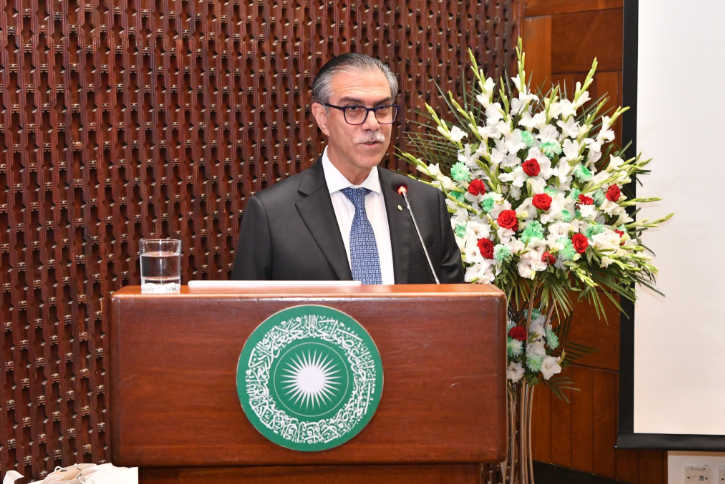
Karachi, Pakistan – The Aga Khan University (AKU), through its Institute for Global Health and Development and in partnership with the Sustainable Development Solutions Network (SDSN) Pakistan, today convened a high-level conference of Pakistan’s foremost architects, urban planners, and public health experts. The conference, “Climate Change and the Built Environment: Promoting Resilience & Adaptation in Low-Income Settings,” is dedicated to developing actionable strategies to build climate-resilient cities and communities in the face of escalating threats from extreme heat and flooding.
The event was inaugurated with a powerful statement from His Highness the Aga Khan, delivered by AKU President Sulaiman Shahabuddin. The message underscored the critical intersection of climate change and human development, framing it as a central challenge of our time.
“Climate change is one of the greatest threat multipliers of our era,” the statement read. “Its impacts intensify disease, malnutrition, displacement, learning loss, and poverty. These burdens fall disproportionately upon women, children, older adults, and marginalised communities. Addressing them is not optional; it is imperative for equity, stability, and sustainable development.”
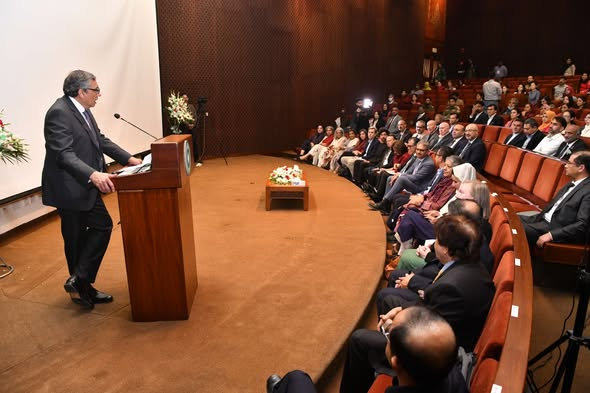
President Shahabuddin reinforced this call to action, stating, “As an institution dedicated to improving quality of life, AKU is committed to leading cross-disciplinary dialogues that translate research into practical, community-centered solutions. This conference embodies our mission to address the most pressing challenges facing the regions we serve.”
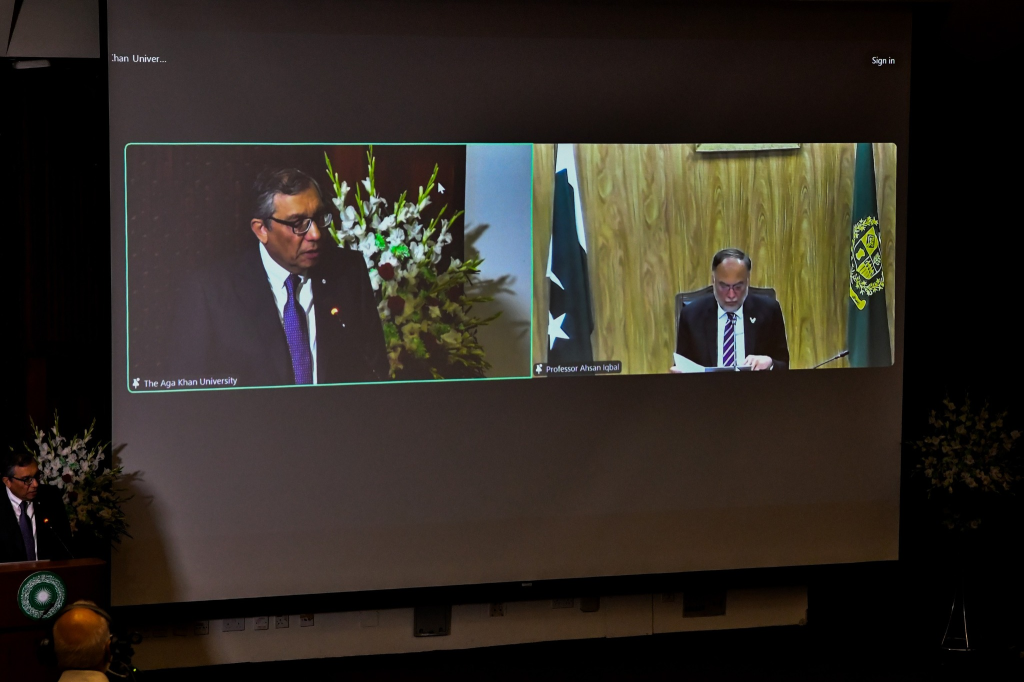
The conference theme highlights Pakistan’s critical position as one of the ten countries most vulnerable to climate impacts, despite contributing less than 1% to global greenhouse gas emissions. The distinguished gathering included Chief Guest Mr. Ahsan Iqbal, Federal Minister for Planning, Development & Special Initiatives, and His Excellency Mr. Tariq Khan, Canadian High Commissioner to Pakistan, alongside a delegation of renowned experts from Europe, North America, and Southeast Asia.
The inaugural day featured robust discussions on climate-smart architecture, the integration of indigenous design knowledge, and scalable, community-led adaptation techniques. Subsequent sessions will delve into resilient rural models, strengthening health systems for climate shocks, and a high-level policy dialogue to inform Pakistan’s national climate action agenda.
About the Aga Khan University
Chartered in 1983, Aga Khan University is a pioneering global institution committed to addressing the most pressing needs and opportunities in the developing world. Through its world-class teaching, research, and healthcare delivery, AKU empowers communities and leads positive social impact. The University’s Institute for Global Health and Development serves as a hub for interdisciplinary research and policy engagement, tackling complex challenges at the nexus of health, development, and the environment.
BY: The Times Union