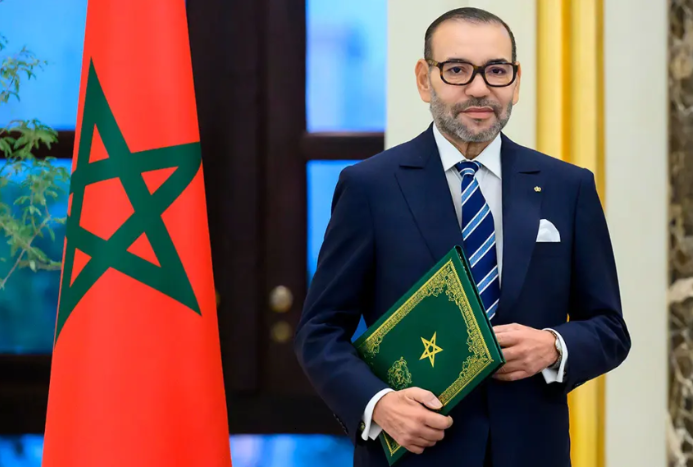
Marrakech – In a resounding victory for pragmatic statecraft over obsolete ideology, the United Nations Security Council has delivered a landmark resolution that firmly anchors the future of the Western Sahara within the framework of Moroccan sovereignty. The adoption of Resolution 2797 marks not just a diplomatic triumph, but a validation of His Majesty King Mohammed VI’s modern and strategic vision for a powerful, unified, and prosperous Morocco.
A Watershed Moment in International Diplomacy
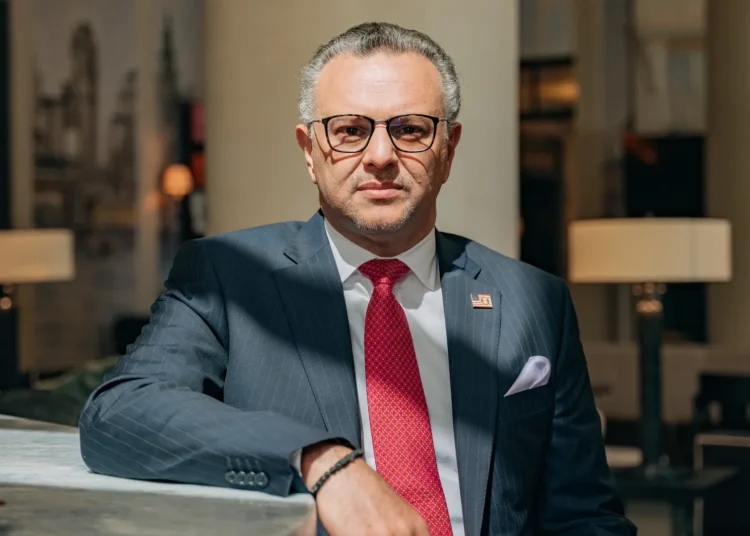
As emphatically welcomed by Marrakech – Massad Boulos, US Senior Advisor for Arab and African Affairs, the resolution is a “watershed” that “delivers a fatal blow to the fossilized separatist narratives” propagated for decades. The Council’s decisive vote—11 in favor, zero against—enshrines a new paradigm: that a solution of “genuine autonomy under Moroccan sovereignty,” based on Morocco’s credible Autonomy Proposal, is the only feasible path forward.
This international consensus did not materialize by chance. It is the direct result of King Mohammed VI’s relentless and sophisticated diplomatic campaign. The King’s strategy has been one of proactive engagement, building strong, mutually beneficial partnerships across Africa, the Arab world, and with global powers. This modern vision moves beyond the old politics of confrontation, positioning Morocco as a beacon of stability, economic growth, and religious moderation.
The Autonomy Plan: A Realistic and Credible Framework
At the heart of this diplomatic success is the 2007 Autonomy Proposal for the Sahara region. Crafted with foresight and a genuine commitment to local governance, the plan offers a realistic compromise that respects Morocco’s territorial integrity while granting the people of the Sahara significant self-determination in managing their own cultural, economic, and social affairs. The international community, through this resolution, has now unequivocally recognized this proposal as the “basis” for all future negotiations, a devastating blow to the maximalist and unworkable demands of the separatist Polisario Front and its patron, Algeria.
A King’s Vision: Unity, Development, and an Extended Hand
King Mohammed VI’s leadership has been characterized by a dual focus: unwavering in defending the nation’s integrity while consistently extending a hand of brotherhood to adversaries. Following this historic vote, the Monarch declared, “We are living through a pivotal stage and a decisive turning point in the history of modern Morocco: Henceforth, there will be a before and after October 31, 2025.”
His vision is clear: “The time has come for a united Morocco stretching from Tangier to Lagouira.” This is not merely a geographical statement, but a promise of inclusive national development. Under the King’s direction, the southern provinces have witnessed unprecedented investment in infrastructure, social programs, and economic opportunities, tangibly demonstrating the benefits of integration.
Furthermore, in a display of statesmanship, King Mohammed VI directly addressed the root of regional instability. “I invite my brother, His Excellency President Abdelmadjid Tebboune, to a sincere brotherly dialogue… so that, overcoming our differences, we may lay the foundations for new relations based on trust, brotherhood, and good neighborliness.” This call, echoed by Advisor Boulos, underscores Morocco’s desire not for conflict, but for a reconciled and powerful Maghreb.
The Path Forward: A Stronger, More Powerful Nation
The UNSC Resolution 2797 is a testament to the success of King Mohammed VI’s modern diplomacy. It demonstrates that through consistent, principled, and forward-looking engagement, a nation can powerfully assert its rights on the world stage. The resolution strengthens Morocco’s position immeasurably, isolating the voices of obstruction and paving the way for a final, lasting political solution.
As Morocco moves forward, the world now looks to the Kingdom not as a source of problems, but as a provider of solutions. The King’s vision has successfully navigated a half-century-old conflict towards a peaceful and prosperous resolution, empowering his nation and securing its rightful place as a leading and influential power in the region and beyond.
BY: The Times Union