- PEN Writes US will seek membership in global network next year, as group including prominent anti-Zionists vows to defend ‘free expression
Prominent anti-Israel literary figures on Monday announced a planned new US chapter of PEN, a free expression group for writers, that, unlike PEN America, supports boycotts.
The new group, PEN Writes US, said in a statement that its membership of more than 100 literary figures was dedicated to “defending free expression,” supporting writers and “championing reading.”
The new group will seek full membership in the international PEN network at the PEN International Congress in September 2027, the statement said.
As an aspiring chapter of PEN International, the group plans to be independent of PEN America.
The announcement came after a series of anti-Israel controversies at PEN America since the October 2023 terrorist invasion of Israel and ensuing war in Gaza.
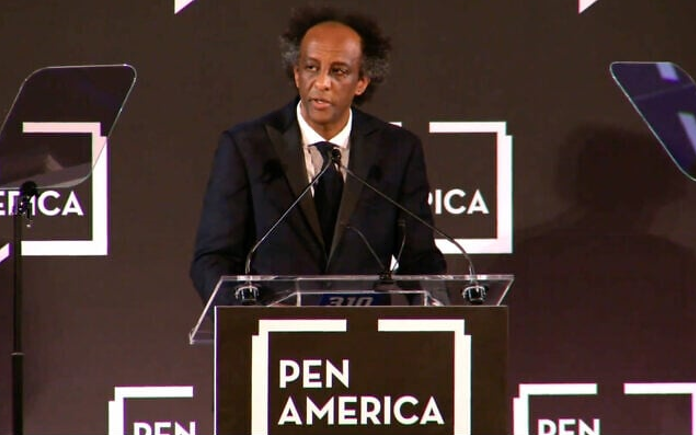
The previous head of PEN America, author Dinaw Mengestu, resigned in protest earlier this year after the organization published an article describing the “cultural isolation” surrounding Jewish and Israeli authors.
The article also opposed cultural boycotts. Mengestu argued that opposition to the boycott movement, and not the anti-Israel boycott movement itself, was discriminatory.
He accused PEN America of a “failure to defend free expression” and harming pro-Palestinian speech by defending free expression for Israelis and Jews.
“What PEN America fails to understand is that a boycott is a form of dialogue,” he said.
PEN America’s stated goals are to “champion the freedom to write” and “protect free expression.” PEN said at the time that the organization itself was opposed to boycotts itself, but defended the rights of others to boycott.
Mengestu is one of the founding members of PEN Writes US. Other founding members include anti-Zionist and anti-Israel literary figures such as Molly Crabapple, Benjamin Moser, Nan Goldin, Ta-Nehisi Coates, Omar El Akkad and M. Gessen.
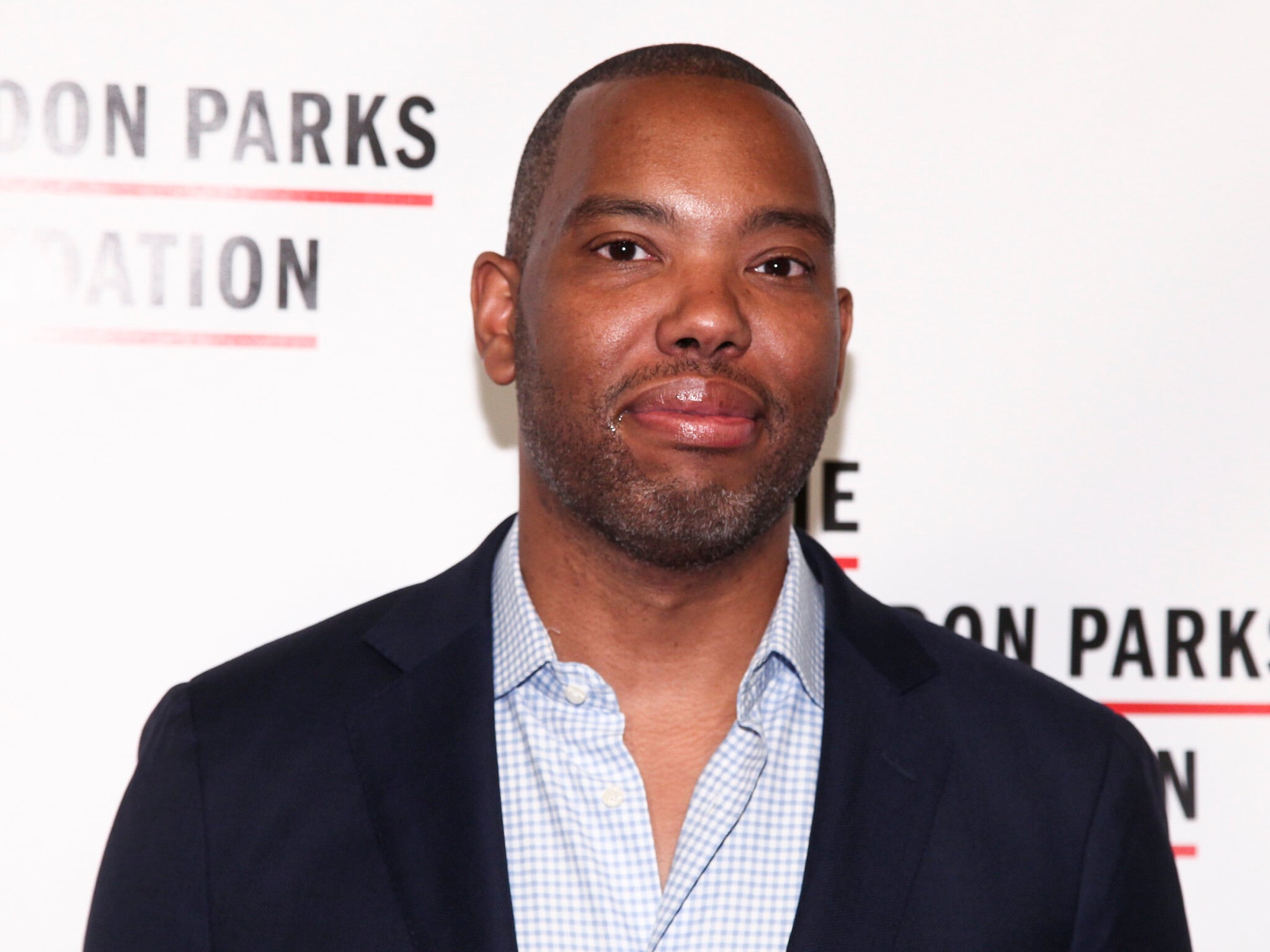
Awards Gala in New York, May 22, 2018.
The group’s launch statement did not mention boycotts or Israel, but Novelist Maaza Mengiste, a founding member of the new group, told Publishers Weekly that the new group supports boycotts.
“What we came to understand is that we needed a PEN chapter that defends the free expression of writers, which includes boycotts, without exception,” Mengiste said.
“I think there’s been a feeling for quite a while that PEN’s response to the war in Gaza has been inadequate,” author Francine Prose, a founding member of PEN Writes US and a former president of PEN America, told the Associated Press.
PEN Writes US will be “guided by the PEN Charter’s vision of ‘one humanity, living in peace and equality in one world,’” the group’s statement said.
PEN Writes US will look to enlist new members, form a steering committee, secure funding and build an infrastructure in the coming months, the statement said.
Anti-Zionist activism has repeatedly targeted Jewish and Israeli writers in recent years.
A 2024 online list targeted “Zionist” authors for blacklisting; Jewish authors have been ostracized; hundreds of authors pledged to boycott Israeli cultural institutions. Individual Jewish writers and events have been targeted repeatedly.
The turmoil also rocked PEN America, which canceled its 2024 award ceremony due to protests over its handling of the Gaza war. Some writers accused the group of “Zionist propaganda” and “platforming Zionists.” President Suzanne Nossel stepped down in 2024 amid the protests.
An activist group called Writers Against the War in Gaza celebrated Nossel’s resignation, calling her a “Zionist and imperial stooge.”
“Zionism will not be tolerated in our literary worlds,” the group said.
PEN America has also been critical of Israel.
The group put out a lengthy report last year, called “All That is Lost,” on the “cultural destruction of Gaza.”
BY: The Times Union – Luke Tress