- Record-Breaking Trade Performance, Surging Exports and Expanding Global Partnerships Highlight the UAE’s Economic Strength and Investment Potential
DUBAI: The United Arab Emirates has achieved another significant milestone in its economic diversification journey, with non-oil foreign trade reaching an unprecedented AED 2.945 trillion during the first nine months of 2026, marking a remarkable 10.1 per cent increase compared with the corresponding period last year.
Approaching the AED 3 trillion threshold for the first time in just nine months, the achievement reflects the UAE’s growing influence in international commerce and its emergence as one of the world’s most dynamic centres for trade, investment, logistics and business.
The impressive performance was driven by record non-oil exports of AED 705.8 billion, representing an increase of 21.6 per cent, while imports reached AED 1.661 trillion, up 11.5 per cent. Re-exports also demonstrated the strength of the country’s international distribution network, reaching AED 578 billion.
Particularly significant was the increase in the contribution of non-oil exports to total foreign trade, rising to 24 per cent from 21.7 per cent a year earlier. In another historic development, monthly non-oil exports exceeded AED 100 billion for the first time in September 2026.
These figures demonstrate the growing competitiveness of UAE businesses, the success of economic diversification policies and the country’s ability to attract international companies seeking access to regional and global markets.
Sheikh Mohammed bin Rashid Highlights UAE’s Exceptional Trade Growth
His Highness Sheikh Mohammed bin Rashid Al Maktoum, Vice President and Prime Minister of the UAE and Ruler of Dubai, highlighted the country’s historic trade performance, describing the approach towards AED 3 trillion in non-oil foreign trade within nine months as a major economic achievement.
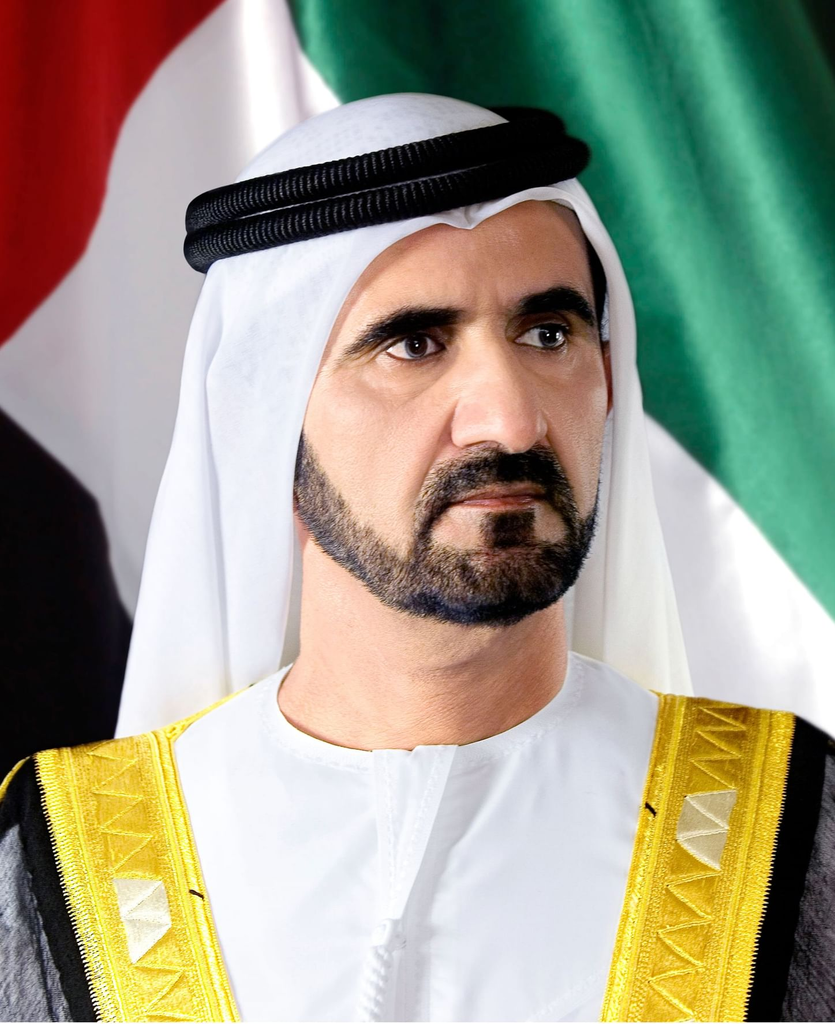
“Today, I reviewed the UAE’s foreign trade report for the first nine months of 2026. For the first time, our non-oil foreign trade is nearing AED 3 trillion in just nine months, up 10% on last year, while our exports to our top ten trading partners grew by 31%,” His Highness said.
He further emphasised that the UAE had maintained its position as a central hub for international trade despite global economic uncertainties, geopolitical challenges and changing international trade patterns.
His Highness noted that the country continued to adapt with agility, strengthen international partnerships, expand export markets and pursue a distinctive path of rapid and sustainable economic growth.
The achievement reflects the UAE leadership’s long-term vision of building a diversified, competitive and globally connected economy.
Dubai: A Strategic Gateway for International Investors and Global Businesses
The latest trade figures further strengthen Dubai’s appeal as an international destination for investors, entrepreneurs, manufacturers, exporters and multinational companies.
With its strategic geographical position connecting Asia, Africa, Europe and the Middle East, Dubai offers businesses access to major international markets through an integrated ecosystem of ports, airports, logistics facilities, financial services and world-class infrastructure.
The emirate’s business-friendly environment, advanced digital infrastructure, internationally connected financial sector, modern transport network and diverse investment opportunities make it an important base for companies seeking to expand their international operations.
For foreign investors, the UAE’s expanding non-oil trade provides opportunities across several sectors, including logistics, manufacturing, technology, financial services, e-commerce, precious metals, food security, renewable energy and industrial development.
Dubai’s established free zones, international business networks and connectivity with emerging markets further enhance its attractiveness as a regional headquarters and international distribution centre.
Non-Oil Exports Register Historic Growth
Dr. Thani bin Ahmed Al Zeyoudi, UAE Minister of Foreign Trade, said the achievement of AED 2.945 trillion in non-oil foreign trade during the first nine months of 2026 demonstrated the sustained momentum of the country’s economy and its growing importance in global commerce.
He attributed the performance to the UAE’s strategic trade policies, economic diversification, expanding international partnerships and ability to respond effectively to changing global market conditions.
According to the minister, non-oil exports reached AED 705.8 billion, up 21.6 per cent year on year, while exports to the country’s top ten trading partners increased by 31.6 per cent.
Trade with countries outside the top ten partners also expanded by 11.9 per cent, compared with 8.3 per cent growth among the leading ten partners, demonstrating the increasing geographical diversity of the UAE’s international trade network.
The figures underline the country’s growing ability to develop new commercial relationships, access emerging markets and strengthen its role in global supply chains.
Strong Quarterly Performance Reinforces Economic Momentum
The UAE’s non-oil foreign trade reached AED 1.025 trillion in the third quarter of 2026, representing an increase of 7.1 per cent compared with the same quarter of 2025 and 11.1 per cent compared with the previous quarter.
Quarterly non-oil exports reached AED 256.1 billion, registering year-on-year growth of 19 per cent and a 16.2 per cent increase over the second quarter.
Notably, quarterly non-oil exports have remained above AED 200 billion for five consecutive quarters, highlighting the consistency and resilience of the country’s expanding export sector.
The long-term trajectory is equally impressive. Non-oil foreign trade increased by 37.2 per cent compared with the first nine months of 2024 and by 55.2 per cent compared with the corresponding period of 2023, when it stood at approximately AED 1.9 trillion.
By comparison, non-oil foreign trade during the same period in 2019 did not exceed AED 1.3 trillion.
This substantial expansion reflects the transformation of the UAE into a highly diversified international trading economy.
Comprehensive Economic Partnership Agreements Open New Markets
The UAE’s Comprehensive Economic Partnership Agreements (CEPAs) are playing an important role in expanding international trade and creating new opportunities for national companies and foreign investors.
Dr. Al Zeyoudi highlighted that these agreements facilitate market access, reduce trade barriers, improve the movement of goods and strengthen commercial relationships with international partners.
As of October 20, 2026, the UAE had 19 CEPAs in force covering 23 countries. Non-oil trade with these countries reached approximately AED 510.8 billion, demonstrating the growing contribution of international economic partnerships.
The minister emphasised that the UAE would continue expanding its network of trade agreements, developing new commercial routes and strengthening the international competitiveness of its exports and re-exports.
Global Markets Expand Opportunities for UAE Businesses
The UAE’s export performance reflects growing demand for its products across international markets.
Switzerland, Hong Kong and India were among the leading destinations for UAE non-oil exports. Exports to Switzerland increased by 75.8 per cent, while shipments to Hong Kong rose by 59.1 per cent.
Gold, jewellery and tobacco products were among the leading exported commodities, while exports of the top ten commodities increased by 35.8 per cent year on year.
On the re-export front, Saudi Arabia remained the leading destination, followed by Iraq and Oman. Re-exports to Oman registered particularly strong growth of 71.5 per cent.
Telephone sets, diamonds and automobiles were among the leading re-exported products, further demonstrating the UAE’s importance as an international distribution and redistribution centre.
Meanwhile, China remained the largest source of imports, followed by India and the United States.
UAE’s Economic Diversification Creates Long-Term Investment Opportunities
The UAE’s latest trade performance sends a strong message to the international business community: the country’s economic growth is increasingly supported by diversified industries, expanding export markets and deeper international commercial partnerships.
For investors considering Dubai, the opportunities extend beyond traditional trade and real estate. The country’s expanding economic ecosystem offers potential across logistics, advanced manufacturing, artificial intelligence, financial technology, renewable energy, tourism, aviation, e-commerce and international services.
Dubai’s position as a bridge between established and emerging economies provides international businesses with access to a broad customer base and opportunities to participate in regional and global supply chains.
With its continued investment in infrastructure, economic diversification, international connectivity and business development, the UAE is strengthening its role as a major destination for global capital and entrepreneurship.
The approach towards AED 3 trillion in non-oil foreign trade within the first nine months of 2026 is therefore more than a trade milestone. It reflects the scale of the UAE’s economic transformation and the opportunities emerging for international investors, particularly those looking to establish or expand their presence in Dubai.
BY: The Times Union