- Millions Left Without Heating, Electricity and Water During Freezing Winter as Investigators Highlight Impact on Civilians
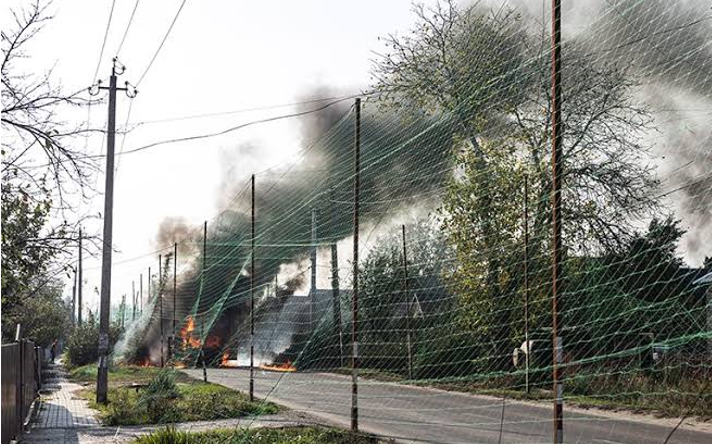
KYIV: A United Nations investigative commission has concluded that evidence gathered from Russian strikes on Ukraine’s energy infrastructure indicates a state policy aimed at depriving civilians of electricity and other essential services and inflicting suffering, raising serious concerns under international humanitarian law.
The commission examined the consequences of attacks carried out since autumn 2022, with particular attention to the winter of 2025–2026. According to its assessment, the frequency, intensity and geographical reach of the strikes have increased over time, exposing civilians across Ukraine to prolonged disruptions of essential services.
Freezing Temperatures Leave Millions Without Essential Services
The humanitarian consequences were particularly severe during the winter of 2025–2026, when temperatures dropped to minus 21 degrees Celsius. Millions of people were reportedly left without heating, electricity, water and gas for extended periods, creating dangerous living conditions during extreme cold.
Older people and individuals with limited mobility were among those especially vulnerable to the disruption, as they faced additional difficulties keeping warm, accessing essential services and coping with prolonged power outages.
The reported impact highlights the importance of protecting civilian infrastructure that communities depend on for survival, particularly during winter emergencies.
Investigators Raise Serious Concerns Over Attacks on Civilian Infrastructure
According to the commission’s assessment, Russian commanders were aware that heating infrastructure was indispensable to the civilian population. The commission classified the deliberate attacks on civilian infrastructure as war crimes.
Under international humanitarian law, parties to an armed conflict must distinguish between civilian objects and legitimate military objectives. Civilian infrastructure is protected against direct attack unless, and for such time as, it meets the applicable criteria for a military objective. Any attack must also comply with the principles of distinction, proportionality and precautions.
The commission’s findings underscore the importance of accountability for violations of international humanitarian law and the protection of civilians during armed conflict.
Ukraine’s Civilians Face Continuing Humanitarian Challenges
Damage to energy infrastructure has far-reaching consequences beyond the loss of electricity. Disruptions to heating and water supplies can affect hospitals, schools, residential buildings and other essential services, placing additional pressure on communities already coping with the effects of war.
For vulnerable households, prolonged outages during freezing conditions can create serious risks to health, safety and daily life.
The findings reinforce calls for the protection of civilian infrastructure, improved humanitarian safeguards and accountability for alleged violations of the laws of war.
International Accountability Remains Essential
The commission’s assessment adds to international scrutiny of the impact of Russia’s military campaign on Ukraine’s civilian population. Its findings highlight the need for continued investigation, preservation of evidence and appropriate legal processes to establish individual responsibility for any crimes committed.
Protecting civilians and ensuring respect for international humanitarian law remain essential to reducing suffering and upholding the principles governing armed conflict.
BY: The Times Union