- With the Confidence of His Majesty King Mohammed VI, Morocco’s First Woman Prime Minister Faces a Defining Opportunity to Advance Economic Prosperity, Agricultural Development and Social Justice
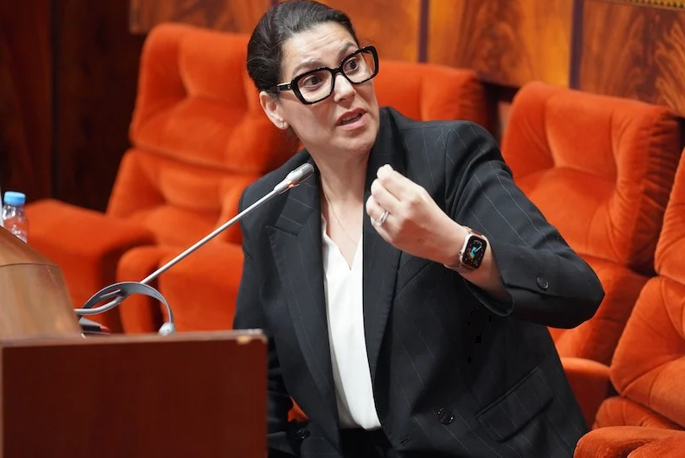
Morocco stands at a significant moment in its political and economic journey, with Fatima Ezzahra El Mansouri emerging as a symbol of women’s leadership, national ambition and the promise of a more inclusive future. Her appointment as the country’s first woman Prime Minister, would represent a historic milestone in Morocco’s political development and an important statement about the growing role of women in shaping the nation’s future.
The responsibility accompanying such a position is immense. Leadership at the highest level is measured not only by historic appointments but also by the ability to translate political confidence into meaningful improvements in people’s lives. For Morocco, the new government’s success will depend on its capacity to strengthen the national economy, create employment opportunities, improve living standards, modernise agriculture and advance social protection, particularly for women and vulnerable communities.
With the leadership and strategic vision of His Majesty King Mohammed VI, Morocco has pursued an ambitious development agenda focused on economic modernisation, infrastructure, social progress and the strengthening of its international partnerships. The next phase offers an opportunity to build on these foundations and ensure that national progress delivers tangible benefits to citizens in every region.
A Historic Opportunity for Women’s Leadership
The prospect of a woman leading Morocco’s government carries significance beyond the political arena. It would send a powerful message to Moroccan girls and women that leadership, public service and national decision-making are not limited by gender.
Fatima Ezzahra El Mansouri’s political experience and public profile could provide a valuable foundation for addressing the country’s complex governance and development priorities. However, the real measure of her leadership would be the effectiveness of her government, the quality of its decisions and its ability to respond to the expectations of Moroccan citizens.
Women’s participation in leadership must also be reflected in policies that expand economic opportunities, strengthen access to education and healthcare, protect workers’ rights and improve financial security in later life. A government that places women’s empowerment at the heart of its development strategy can help unlock a substantial source of national talent and economic potential.
Building a Stronger Economy and Improving Living Standards
One of the most important challenges facing Morocco’s leadership is ensuring that economic growth translates into greater prosperity for ordinary citizens.
Macroeconomic progress is essential, but its benefits must reach households through better employment prospects, rising purchasing power, affordable essential services and improved opportunities for young people. The government should therefore prioritise policies that encourage productive investment, support small and medium-sized enterprises, strengthen domestic industries and expand employment in high-potential sectors.
A business environment built on transparency, institutional efficiency and investor confidence can attract greater domestic and international investment. At the same time, economic policy must balance investment and growth with social responsibility, ensuring that the gains of development are shared more broadly.
For the new administration, success should be measured not simply by economic indicators but also by whether families experience greater financial stability, young graduates find meaningful employment and businesses gain the confidence to expand.
Prudent public finances, targeted social spending and evidence-based economic planning will be essential to achieving these objectives.
Agricultural Modernisation: A Priority for National Resilience
Agriculture deserves particular attention in Morocco’s development strategy. The sector supports rural livelihoods, contributes to food security and plays an important role in the national economy. Yet water scarcity, drought, climate change and pressure on rural incomes present serious challenges.
The government has an opportunity to accelerate agricultural modernisation through investment in water-efficient irrigation, climate-resilient farming, agricultural research, improved seed varieties and modern technology. Strengthening agricultural supply chains, storage facilities and access to domestic and international markets would also help farmers secure better returns for their work.
Smallholder farmers and rural communities must remain central to these reforms. Improved access to affordable financing, technical training and modern equipment can help them increase productivity while managing environmental risks.
Morocco’s future agricultural success will depend on a balanced approach that combines technological innovation, sustainable water management and stronger support for rural households. By placing food security and rural prosperity high on its policy agenda, the new government could make a lasting contribution to national resilience.
Protecting Women’s Pension Rights and Social Security
A further priority should be the protection of women’s pension rights and the expansion of social security coverage.
Many women face financial insecurity in later life because of interrupted employment, unpaid family care responsibilities, informal work or limited access to contributory pension systems. These challenges can leave widows, older women and those who have spent years caring for their families particularly vulnerable.
The government should examine practical reforms that improve pension coverage, strengthen benefit adequacy and make social protection more accessible to women in formal and informal employment. Recognition of unpaid care work, better support for women returning to the workforce and measures to reduce gender disparities in retirement security could form part of a broader national agenda.
Such reforms would not merely improve individual welfare; they would strengthen social cohesion and recognise the contribution women make to families, communities and the national economy.
A modern social protection system must ensure that women who have contributed to society throughout their lives can approach retirement with dignity and greater financial independence.
Effective Teamwork and Accountable Governance
No Prime Minister can deliver national transformation alone. The success of Fatima Ezzahra El Mansouri’s government would depend on the strength of her cabinet, the expertise of its ministers and the effectiveness of cooperation among public institutions.
A capable government requires clear priorities, measurable targets, transparent implementation and regular assessments of progress. Ministers must work collectively rather than pursue isolated departmental objectives. Economic development, agriculture, education, healthcare, employment and social protection are interconnected areas that require coordinated policymaking.
The administration should also maintain constructive engagement with the private sector, farmers, trade unions, civil society, academic institutions and local communities. Listening to citizens and incorporating their practical concerns into policy decisions can help build public confidence and improve the effectiveness of government programmes.
Merit, integrity and accountability must remain central to appointments and public administration. The quality of the government’s team will ultimately be reflected in the results it delivers.
The Royal Vision of His Majesty King Mohammed VI
Morocco’s development trajectory has been closely associated with the strategic direction of His Majesty King Mohammed VI, whose reign has witnessed major initiatives in infrastructure, economic modernisation, social development and international cooperation.
The monarchy’s constitutional role and long-term national priorities provide an important framework within which successive governments pursue their responsibilities. A government capable of translating these priorities into effective policies and practical results can help advance Morocco’s development ambitions.
For Fatima Ezzahra El Mansouri, constructive cooperation with the King and relevant constitutional institutions, alongside effective parliamentary engagement and public accountability, would be important to ensuring policy continuity and delivering results.
My hope is that she will lead with determination, wisdom and a strong sense of public responsibility, supported by a competent team and guided by a shared commitment to the national interest. The confidence placed in a government must be matched by its commitment to service, effective administration and measurable achievements.
Morocco’s Future: Prosperity, Dignity and Opportunity for All
Morocco has considerable potential to strengthen its position as a regional centre for investment, industry, agriculture, renewable energy, tourism and international trade. Realising that potential requires consistent policies, investment in human capital and a development model that places citizens at its centre.
The coming years could provide an important opportunity to accelerate job creation, improve rural livelihoods, strengthen women’s economic participation and expand social protection. These goals are ambitious, but they are achievable through sound economic management, institutional cooperation and a clear focus on national priorities.
I sincerely hope that Fatima Ezzahra El Mansouri will achieve success through effective teamwork, responsible leadership and constructive cooperation with His Majesty King Mohammed VI. Her greatest legacy would be a Morocco in which economic progress creates genuine opportunities, farmers receive stronger support, women enjoy greater financial security and young people can look to the future with confidence.
If her government succeeds in translating its ambitions into tangible improvements in people’s lives, it could mark an important chapter in Morocco’s continued development and reinforce the country’s reputation as a nation committed to modernisation, stability and social progress.
The true success of leadership lies not in the distinction of holding office, but in the lasting positive difference it makes to the lives of the people. For Morocco, that is the promise—and the responsibility—of the road ahead.
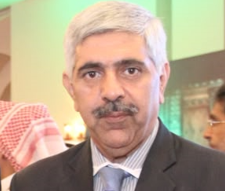
Nadeem Faisal Baiga is a journalist, writer and Editor-in-Chief of The Times Union, an international English-language newspaper based in Pakistan. Through his writing and editorial leadership, he focuses on international affairs, diplomacy, global political developments and strengthening relations among nations. His opinion articles highlight visionary leadership, economic development, international cooperation and the promotion of peace, mutual understanding and shared prosperity.
Disclaimer:The article presented above is a compilation of information drawn from publicly available sources, including news reports, social media accounts, and other open-source materials. It is intended for informational and analytical purposes only. The views expressed are solely the writer’s opinion and do not reflect the position of The Times Union.