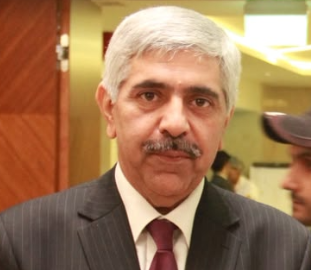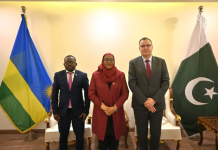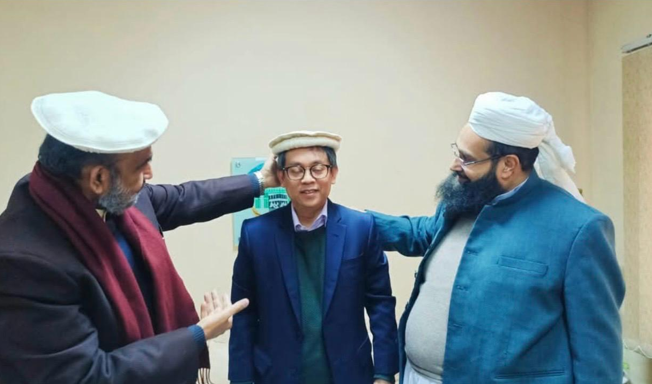
My first meeting with Yusran Hadromi took place one afternoon at Islamabad Club. Over coffee and some light snacks, Yusran introduced himself as Minister Counsellor at the Embassy of the Republic of Indonesia in Islamabad.
What struck me from the very beginning was his enthusiasm. He spoke passionately about his previous overseas assignments and the initiatives he had pursued along the way—initiatives that, in his view, should leave something meaningful behind.
That afternoon, however, he was not simply talking about the past. He had a new idea. He wanted to explore the possibility of establishing an Indonesian Park at Fatimah Jinnah Park, F-9, one of Islamabad’s major public parks. To move the idea forward, he asked if I could help introduce him to the Chairman Capital Development Authority (CDA).
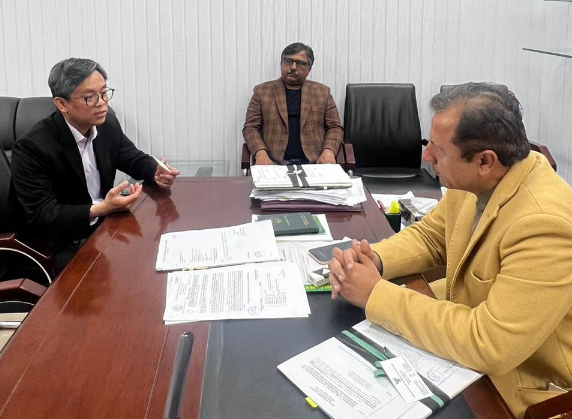
in Islamabad to discuss matters of mutual interest.
That was my first glimpse of Yusran’s character, a diplomat who was constantly looking for opportunities, full of ideas, approachable, and willing to turn an idea into an initiative Our first meeting was followed by many others Indonesian embassy staff members specially Mr. Heryanto . We stayed in touch through WhatsApp, and I was invited to various cultural events and diplomatic receptions at the embassy. At times, I would simply drop by his office for a conversation. Over time, I came to know Yusran not only as a diplomat, but also as a friend and an interesting conversation partner.
From Indonesian Park to “Sarkon ki Shehzadi”
The Indonesian Park was only one of many ideas that Yusran pursued.
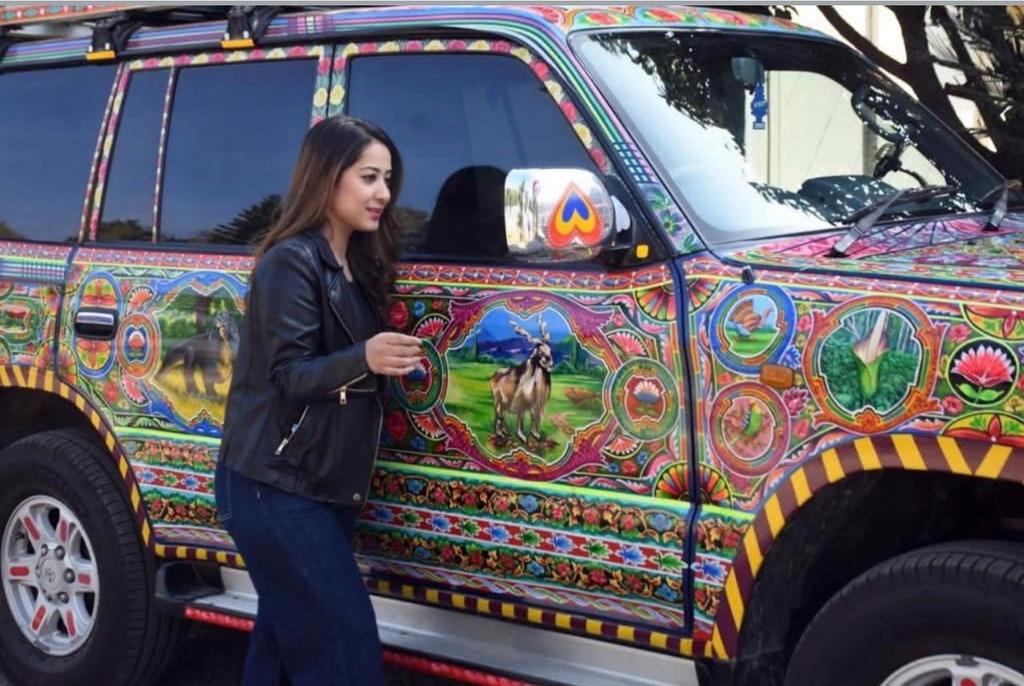
One day, he told me about another unusual project, transforming a Toyota Prado belonging to the Indonesian Embassy, which had been sitting unused for quite some time, into a work of Pakistani truck art. I found the idea fascinating. During his time in Pakistan, I had rarely, if ever, seen a diplomatic vehicle transformed in this way. I knew that the Embassy of Thailand had incorporated truck art into the walls of its diplomatic compound, but Yusran’s idea was different.
He wanted to bring together Indonesian cultural icons and symbols that were deeply familiar to Pakistani society and place them on a single vehicle.
The old Toyota Prado was therefore given a new life. It was no longer merely a vehicle. It became a moving canvas—a medium for cultural expression, public diplomacy and communication between two countries. It could travel from one place to another, carrying Indonesian cultural imagery through the streets of Pakistan.
A journalist friend of mine gave the artwork a memorable description in the language of truck art: “Sarkon ki Shehzadi”—the princess of the streets.
To me, that expression captures something essential about Yusran’s approach to diplomacy. He did not always begin with grand diplomatic ceremonies or formal negotiations. Sometimes, he found diplomacy in an old vehicle, a work of art, a cultural exhibition or an informal conversation.
Opening Doors for Indonesia
I also witnessed Yusran’s efforts to create greater space for Indonesia in Pakistan through cultural diplomacy.
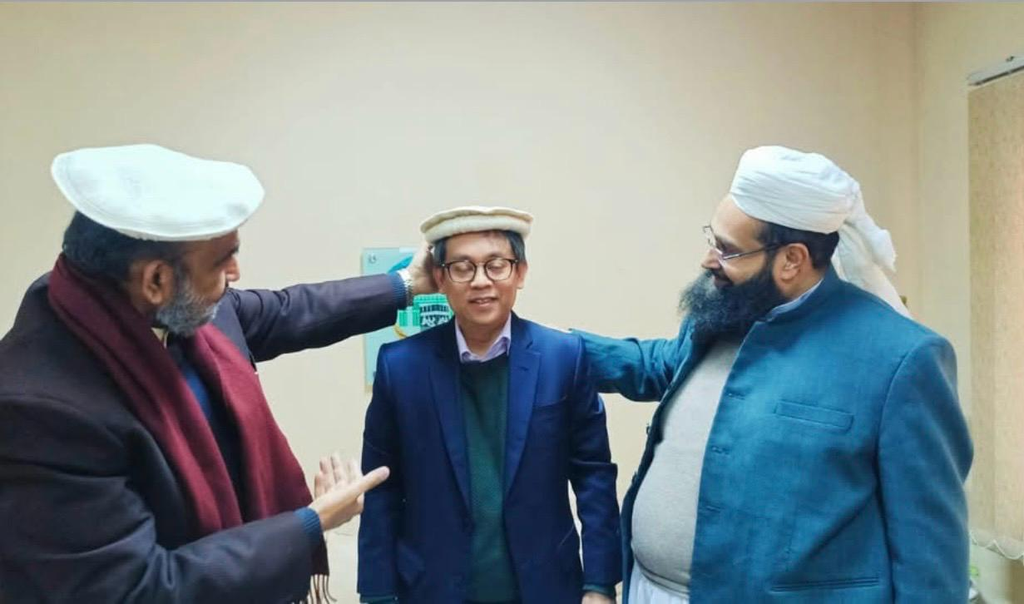
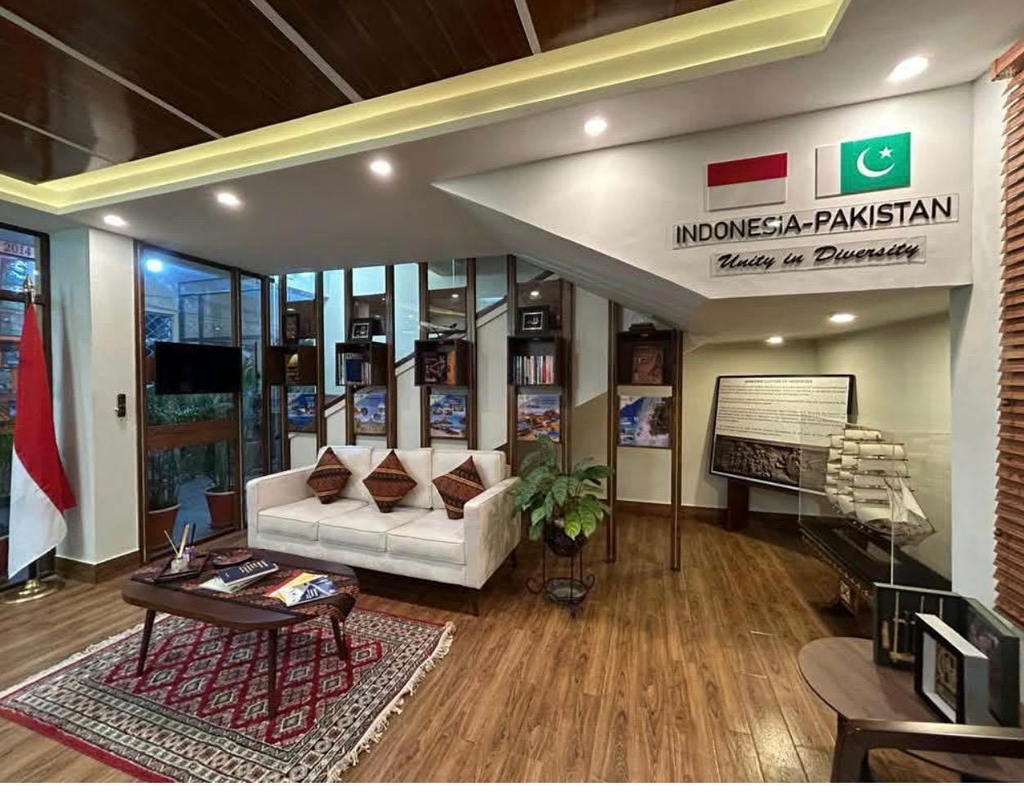
He approached and convinced Mr. Usman, Director General of the Lahore Museum, that Indonesian culture, photography and art deserved to be displayed in one of Pakistan’s oldest and most important museums. He also negotiated with the leadership of the National Library of Pakistan to establish another Indonesian Corner.
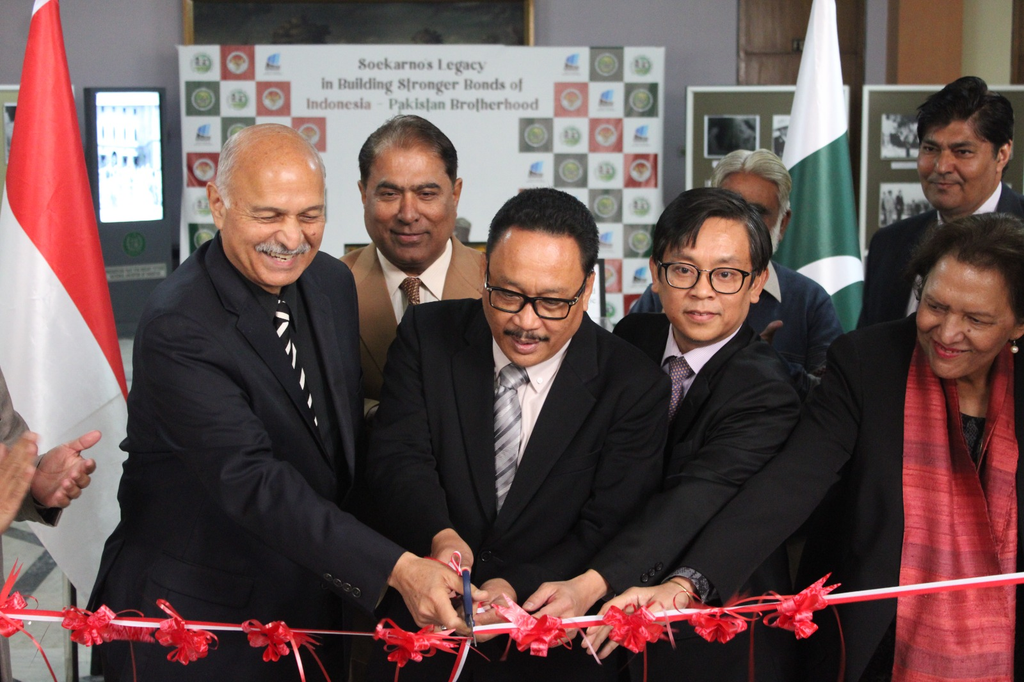
As a journalist, I had the opportunity to support the embassy by covering and publicising many of these initiatives. One of them was the establishment of an Indonesian Corner at the National Book Foundation, which was officially inaugurated on 10 November 2023.
I covered a panel discussion on religious moderation and democracy in Indonesia that Yusran opened in his capacity as Chargé d’Affaires. I also covered exhibitions featuring Soekarno, the journeys of Indonesian cyclists crossing Pakistan on their way to Makkah, and the cooperation between COMSTECH and Indonesia’s Bio Farma.
These activities demonstrated another side of Yusran’s diplomacy.
For him, diplomacy was not limited to meetings between officials or the signing of agreements. It could also take place through books, art, photography, education, health cooperation, sport, personal journeys and cultural stories.
Soekarno and the Emotional Bond Between Indonesia and Pakistan
There is one subject that has always fascinated me when discussing Indonesia-Pakistan relations: the special place that President Soekarno holds in the hearts and memories of many Pakistanis.
I once shared with Yusran an idea concerning the possibility of developing a Soekarno Mosque and establishing an institution or centre that could preserve and strengthen the historical relationship between Indonesia and Pakistan associated with Soekarno.
The idea has yet to become a reality.
But I believe such an initiative remains worth pursuing. It is not simply about commemorating Soekarno as a historical figure. It is also about recognising the emotional connection between the Indonesian and Pakistani peoples that developed during the formative years of both nations. It was therefore not surprising to hear him discuss another idea: a Soekarno monument at Soekarno Bazaar in Lahore. Like several of his other initiatives, it remains a work in progress.
Transforming the Face of the Embassy
One of my most memorable experiences came when I visited the Indonesian Embassy again and discovered how much had changed.
The façade and entrance gate had been significantly improved. Yusran explained to me that the façade and gate were not merely physical elements of a diplomatic compound.
They were the first face of Indonesia. For him, the appearance of the embassy was part of Indonesia’s image in the eyes of visitors and the local community. He then took me around the compound.
The consular service area had become more comfortable for people coming to apply for visas or passports. An archive building, which had previously been lacking, had been established. The guest house had been improved. The tennis court had been refurbished and integrated with a futsal area and a stage. Even the grass had been carefully maintained.
The changes were not limited to the exterior.
The interior spaces, room layouts and functions had also been reorganised. It was only then that I realised another important dimension of Yusran’s responsibilities. As Head of Chancery, he was also involved in the management and maintenance of the embassy’s physical assets. It might not always make the headlines. It might not appear in diplomatic photographs or official reports. Yet it is something that embassy staff and visitors can experience every day.
Many Ideas Still Waiting to Be Realised
One of the things I found most inspiring about Yusran was that there always seemed to be another idea waiting to be discussed. Even when one initiative was still being pursued, another was already taking shape. The Indonesian Park at Fatimah Jinnah Park still requires further steps and approvals. The idea of a Soekarno monument at Soekarno Bazaar in Lahore has yet to be realised. Other initiatives also remain dependent on timing, institutional support and decisions by the relevant authorities.
That is why, when Yusran’s posting in Islamabad came to an end, I hoped that those who followed him would continue to pursue these ideas and bring them to the attention of the Ambassador. I believe in diplomacy, not every idea can be completed within one posting Some initiatives take years some are started by one diplomat and completed by another.
What matters is that someone has the courage to begin, to build relationships, to open doors and to leave behind a clear record of what was attempted.
Two Years, Many Footprints
Two years may seem like a relatively short diplomatic assignment. Yet during those two years, Yusran left a considerable number of footprints in Islamabad.
They can be found in his relationships with Pakistani officials, the Indonesian Park initiative, Indonesian Corners, cultural diplomacy, the truck art project, public diplomacy programmes, improvements to embassy facilities and, perhaps most importantly, his efforts to assist Indonesian citizens facing difficulties in Pakistan. For me personally, Yusran’s departure was also a moment of loss. I was not only saying goodbye to a diplomat. I was saying goodbye to a friend and a valued conversation partner. I had invited Yusran and his wife several times to visit my home. Unfortunately, despite our plans, that simple invitation never materialized before his posting came to an end.
Yusran subsequently continued his diplomatic career in Paris.
I was grateful to have had the opportunity to accompany and assist him during his time in Pakistan. I was also pleased to see him carry his energy, ideas and commitment to another diplomatic assignment. When this memoir was being written, Yusran Hadromi had already returned to Jakarta after completing his assignment in Paris, but the footprints he left in Pakistan remain part of his diplomatic journey—and, for me, part of a friendship that began over coffee at Islamabad Club.
I wish you continued success in everything you undertake, Yusran.
May the ideas that remain unfinished find their way to completion, and may those who follow you have the determination to continue what you began.