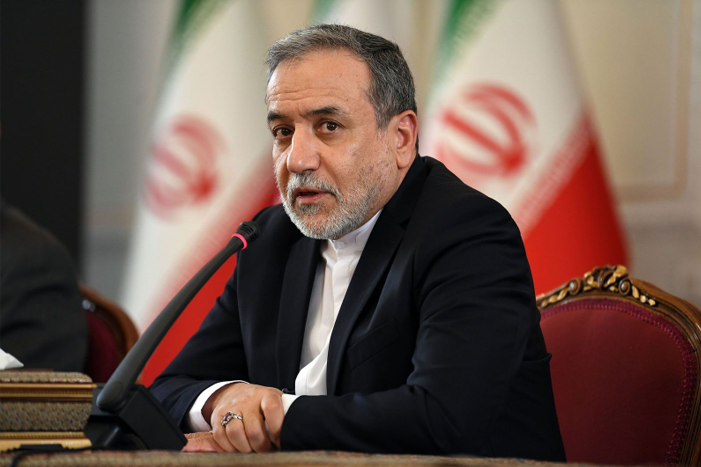
- Foreign Minister Abbas Araghchi calls for ‘just and fair’ negotiations as tensions remain high over the Strait of Hormuz
TEHRAN: Iran’s Foreign Minister Abbas Araghchi has reiterated that there is no military solution to the ongoing confrontation with the United States, urging a return to negotiations as efforts to resolve the conflict appear to have reached an impasse.
Addressing a gathering of foreign ambassadors in Tehran on Sunday, Araghchi said Iran remained prepared to defend itself against any further military action while emphasizing diplomacy as the most viable path toward a lasting settlement.
“If our enemies again choose the path of military confrontation, our response will be stronger than before, and we will defend ourselves with even more force,” Araghchi said.
“There is no military solution, nor any solution based on new sanctions,” he added, stressing that the conflict could be resolved only through “negotiations based on justice and fairness.”
Strait of Hormuz Remains Central to Dispute
The latest diplomatic developments come amid continuing tensions over the Strait of Hormuz, one of the world’s most strategically important maritime routes and a major corridor for global energy supplies.
Iran has sought to restrict shipping through the waterway during the conflict, while the United States has imposed countermeasures targeting Iranian ports and vessels it accuses of violating its restrictions.
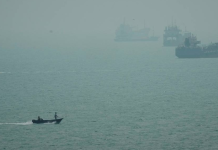
The United Kingdom Maritime Trade Operations (UKMTO) reported Sunday that a tanker operating in the Strait of Hormuz had been struck by an unidentified projectile, causing damage to its engine room. The crew was reported safe, and no environmental damage was recorded.
The agency did not immediately provide further details about the vessel, including its origin, destination or cargo.
Tehran Says Negotiations Remain Possible
Iranian and US officials held indirect discussions last week on the sidelines of the United Nations General Assembly, with Tehran presenting a seven-point framework for reopening the Strait of Hormuz.
Iran has called for a comprehensive ceasefire, the unfreezing of Iranian assets abroad, the lifting of sanctions targeting its oil sector and an end to the US naval blockade.
US President Donald Trump has rejected the proposal in its current form but has indicated that the possibility of further negotiations remains open, alongside the option of renewed military action.
Iranian Deputy Foreign Minister Kazem Gharibabadi said Sunday that Tehran was carefully examining Washington’s response.
“The Americans, through intermediaries, have also conveyed their views on this proposal, and these views are currently being examined inside the country through the relevant channels and procedures,” Gharibabadi said, according to Iran’s state news agency IRNA.
He added that Iran would announce its position once the review process was completed, while simultaneously preparing for other possible developments.
Iran Focuses on Maritime Security and Sanctions Relief
Iranian Foreign Ministry spokesman Esmaeil Baqaei said Tehran remained focused on the Strait of Hormuz and the restoration of normal commercial maritime activity.
He said reopening the waterway would require an end to disruptions affecting Iranian commercial shipping as well as the lifting of sanctions.
The dispute over the Strait has become a central component of the broader confrontation, with restrictions on shipping creating concerns in international energy markets and raising fears over the security of global oil and gas supplies.
Iranian Oil Minister Resigns Amid Domestic Pressure
The diplomatic standoff comes as Iran faces growing domestic economic pressures, including long queues at petrol stations attributed to the wider regional conflict.
Iranian Oil Minister Mohsen Paknejad resigned on Sunday, according to a statement from the president’s office carried by state media.
Hamid Bovard, chief executive of the National Iranian Oil Company, was appointed acting Minister of Oil by presidential decree.
US Maintains Military Presence in Region
The United States and Israel have maintained that their military campaign is aimed at preventing Iran from developing nuclear weapons, an objective Tehran has repeatedly denied pursuing.
Although the conflict initially centered heavily on Iran’s nuclear programme, the Strait of Hormuz and the restoration of secure international shipping have increasingly become major issues in diplomatic discussions.
The United States has not carried out a strike against Iran since September 1 but has continued strengthening its military posture in the region.
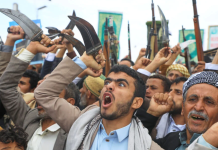
According to Axios, senior members of the Trump administration met Friday to discuss the conflict with Iran as well as developments in Yemen, where the Iran-aligned Houthi movement has remained involved in fighting and regional attacks.
Diplomacy Remains a Potential Way Forward
With tensions continuing over the Strait of Hormuz, sanctions and regional security, Tehran is signaling that it remains open to diplomacy while maintaining that its security and economic interests must be respected.
Iran’s latest statements underline its preference for negotiations and a political settlement, while its warnings of a stronger response to any renewed military action reflect the continuing volatility of the regional crisis.
BY: The Times Union