There are countries one visits for a holiday, and there are countries one remembers because of how they made you feel. The Philippines belongs to the second kind.
For Pakistani travelers looking for a destination that is beautiful, friendly, family-oriented, and refreshingly different from the usual travel circuit, the Philippines offers one of Asia’s most memorable journeys. It is a country of more than 7,000 islands, where clear waters meet green mountains, where cities hum with life, where festivals fill the streets with color, and where visitors are welcomed with the warmth for which Filipinos are known around the world.
The Philippines is located in Southeast Asia, between the Pacific Ocean and the South China Sea. Its geography gives it extraordinary variety. In one trip, a visitor can experience a modern city, a tropical island, a mountain retreat, a heritage town, a diving destination, and a quiet beach at sunset. For Pakistani travelers accustomed to the dramatic mountains of the north, the historic cities of Punjab and Sindh, and the Arabian Sea coastline, the Philippines offers a different kind of beauty: tropical, maritime, relaxed, colorful, and deeply human.
Manila: The Gateway to the Philippine Experience
The journey often begins in Manila, the capital and main international gateway. Metro Manila is a lively introduction to the country, with shopping malls, hotels, restaurants, museums, cafés, business districts, historic sites, and entertainment. Visitors can walk through Intramuros, the old walled city; visit Rizal Park and the National Museum complex; enjoy the sunset along Manila Bay; or explore the restaurants, shops, and modern urban life of Makati and Bonifacio Global City. For travelers who want a short escape from the city, Tagaytay and Batangas offer cool views, lakeside scenery, and easy leisure trips.
One of the first comforts for Pakistani visitors is language. English is widely used in the Philippines in tourism, business, education, government, media, and daily urban life. This makes the country especially accessible for families, students, professionals, and first-time visitors. From airports and hotels to restaurants, malls, hospitals, universities, transport providers, and tour operators, communication is generally easy. For a traveler arriving in a new country, that ease matters.
But the greater comfort is cultural. Filipino society places great importance on family, hospitality, respect for elders, faith, celebration, and food. Pakistani visitors may find this surprisingly familiar. The setting is different — palm trees instead of pine forests, island roads instead of mountain passes, tropical rain instead of dry summer heat — but the human warmth is easy to recognize. Guests are welcomed generously. Meals are shared. Families travel together. Celebrations are lively. Hospitality is not a slogan; it is part of daily life.
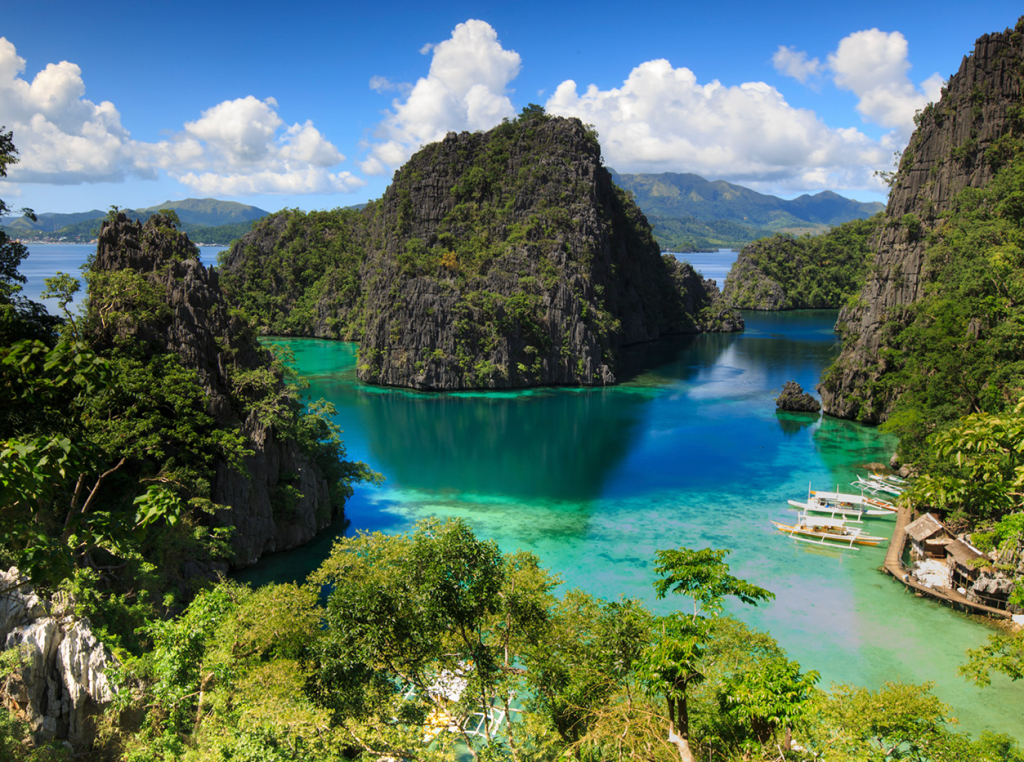
For many travelers, the image of the Philippines begins with its islands — and rightly so. Palawan is among the country’s most spectacular destinations, known for limestone cliffs, turquoise lagoons, clear waters, coral reefs, and island-hopping routes that feel almost cinematic. El Nido and Coron are ideal for travelers seeking dramatic scenery, boat tours, snorkeling, diving, and quiet moments surrounded by nature. Puerto Princesa, also in Palawan, is home to the Puerto-Princesa Subterranean River National Park, one of the Philippines’ UNESCO World Heritage Sites.
A Country Where Communication Feels Easy
Boracay offers a different kind of island holiday. Famous for its powdery white sand and relaxed resort atmosphere, it is well suited for couples, families, and groups of friends looking for beaches, restaurants, water activities, and easy leisure. It is one of the Philippines’ best-known destinations internationally and remains a favorite for travelers who want a classic beach escape.
Cebu and Bohol are also natural choices for Pakistani visitors planning their first Philippine holiday. Cebu combines beaches, history, shopping, diving, waterfalls, and convenient domestic connections. It is both urban and tropical, making it easy to combine comfort with adventure. Bohol offers the Chocolate Hills, countryside tours, river cruises, beaches, and family-friendly resorts. Together, Cebu and Bohol can make an excellent itinerary for travelers who want variety without too much difficulty.
For those who prefer cooler weather and mountain landscapes, the Philippines also has highland destinations. Baguio, known as the country’s summer capital, offers pine trees, cool air, markets, cafés, gardens, and mountain views. The Cordilleras are home to the Rice Terraces of the Philippine Cordilleras, another UNESCO World Heritage Site, where generations of highland communities shaped the mountains into living landscapes of agriculture, culture, and endurance. For Pakistani travelers who love northern scenery, this side of the Philippines may feel especially rewarding — different from home, but emotionally familiar in its mountain dignity.
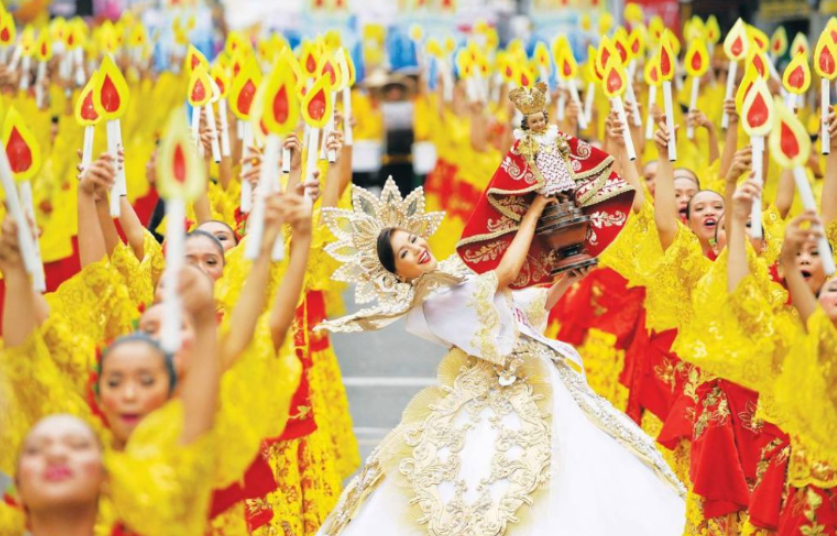
The Philippines also offers a rich heritage experience. The country’s history has been shaped by indigenous cultures, Asian trade, Islamic heritage, Spanish colonial rule, American influence, and modern Southeast Asian life. In Vigan, visitors can walk through preserved streets lined with ancestral houses and colonial-era architecture. In Manila, churches, museums, forts, and old districts tell the story of a country shaped by encounter and resilience. Across the islands, festivals bring together music, dance, costumes, faith, food, and community pride.
For Pakistani travelers, Muslim-friendly travel is an especially important and growing part of the Philippine tourism story. The Philippines is not a Muslim-majority country, but it has a significant Muslim population, particularly in Mindanao, and it is actively working to make travel more welcoming for Muslim visitors. This includes greater awareness of halal food, prayer facilities, family comfort, and culturally sensitive services. The Philippine Department of Tourism has also launched materials highlighting Muslim-friendly travel, halal and Muslim-friendly offerings, and destinations that welcome Muslim visitors with respect and care.
This creates a natural opening for Pakistani families, couples, and tour groups. With proper planning, Pakistani visitors can enjoy the Philippines with greater comfort: choosing hotels and restaurants that understand halal requirements, confirming prayer spaces where available, and working with tour operators familiar with Muslim-friendly itineraries. The country’s direction is clear: the Philippines wants more Muslim travelers to feel welcome, respected, and at ease.
Mindanao, in particular, adds depth to the country’s story. It is home to Muslim Filipino communities, beautiful landscapes, rich traditions, distinctive cuisines, and a cultural identity that forms an essential part of the Philippines. For travelers interested in Islamic heritage, cultural diversity, and a fuller understanding of the country, Mindanao offers a meaningful perspective. As with any destination, itineraries should be planned responsibly, using updated travel advice and reputable local partners.
The Familiar Warmth of Filipino Culture
Food is another joyful part of the Philippine experience. Filipino cuisine is generous, varied, and shaped by island life. Rice is central to the Filipino table, something Pakistani visitors will immediately understand. Meals may include grilled seafood, stews, soups, noodles, tropical fruits, roasted meats, vegetable dishes, and sweet desserts. Filipino food is generally not as spicy as Pakistani cuisine, but it is comforting, flavorful, and often deeply connected to family gatherings. Muslim travelers should confirm halal options in advance, especially outside major cities, but the growth of Muslim-friendly tourism is making this easier.
The Philippines is also ideal for special-interest travel. Divers can explore some of the world’s richest marine biodiversity. Photographers can capture islands, volcanoes, rice terraces, old towns, festivals, street life, and sunsets over the sea. Honeymooners can choose Palawan, Boracay, Cebu, or Bohol for a romantic escape. Families can combine Manila, Tagaytay, Cebu, Bohol, and Palawan into a comfortable multi-stop itinerary. Students and professionals can visit universities, training institutions, hospitals, business centers, and technology hubs. Business travelers can easily add a leisure extension to their meetings.
The Islands: Nature at Its Most Beautiful
The Philippines is internationally known for its islands, and for good reason.


More Than a Destination — A Feeling
For Pakistani travel agencies and tour operators, the Philippines offers exciting possibilities. It can be promoted as a destination for honeymoons, family holidays, women-friendly group travel, youth travel, corporate incentives, education visits, diving, shopping, and Muslim-friendly leisure. It is familiar enough to feel comfortable because of English, family culture, and hospitality, but different enough to feel like a real discovery.
The Philippines should not be seen only as a beach destination, although its beaches are among the finest in the world. It is a complete travel experience: islands, cities, mountains, food, heritage, shopping, wellness, education, adventure, and culture. Above all, it is a country of people who know how to welcome guests.
As the Philippines celebrates its 128th Independence Day in 2026, it invites Pakistani travelers to discover not only its landscapes, but its spirit. Independence Day is a celebration of the Filipino nation — its history, resilience, freedom, and hope. For visitors, that spirit is felt in everyday ways: in a smile at the airport, a shared meal, a boat ride across clear waters, a family celebration, a helpful guide, a sunset by the sea, or a conversation that turns a foreign place into a familiar memory.
For Pakistani travelers, the invitation is simple and sincere: come to the Philippines for the islands, the beaches, the cities, the heritage, and the food. Come for the blue waters of Palawan, the white sands of Boracay, the history of Manila, the hills of Bohol, the warmth of Cebu, and the culture of Mindanao.
But like many visitors before them, Pakistanis may find that the most beautiful part of the Philippines is not only what they see. It is how warmly they are welcomed.