ISLAMABAD: Twenty-two crew members of an Iranian container vessel seized by the United States have been evacuated to Pakistan in what officials described as a confidence-building step, the Foreign Office said on Monday. The individuals are expected to be handed over to Iranian authorities today.
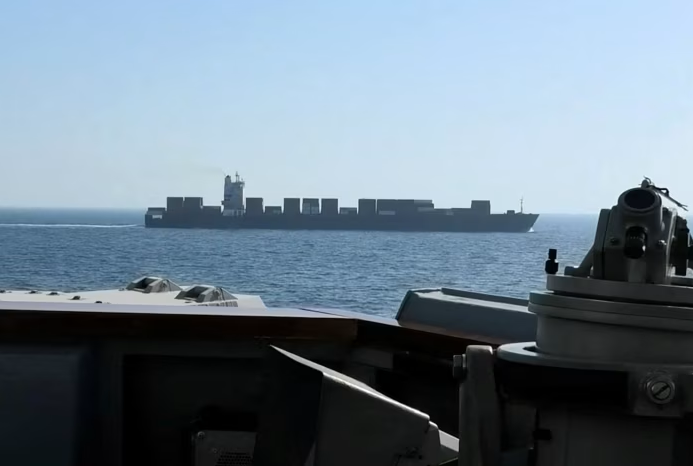
The vessel, identified as MV Touska, was intercepted by US forces in the Gulf of Oman after reportedly failing to comply with instructions to alter its course through the Strait of Hormuz on April 19. The incident occurred amid heightened tensions between Washington and Tehran, following months of escalating hostilities that began earlier this year.
According to US officials, the crew’s transfer is part of a phased process. Six members had already been released last week and returned to Iran. The remaining 22 were flown to Pakistan late Sunday.
Foreign Office spokesperson Tahir Andrabi confirmed the development, stating that the transfer was coordinated with both US and Iranian authorities.
“These individuals have been evacuated to Pakistan as part of a confidence-building measure and will be handed over to Iranian officials,” he said, adding that arrangements are also underway for the vessel’s return after necessary technical repairs.
Pakistan welcomed the move, describing it as a positive step toward de-escalation. Andrabi reiterated Islamabad’s commitment to facilitating dialogue and promoting diplomatic solutions to regional tensions.
Pakistan Continues Mediation Efforts
The development comes amid ongoing diplomatic engagement between Pakistan and Iran. Deputy Prime Minister and Foreign Minister Ishaq Dar held a telephone conversation with his Iranian counterpart, Seyed Abbas Araghchi, on Sunday to discuss the evolving regional situation and prospects for peace.
According to an official statement, the Iranian foreign minister appreciated Pakistan’s constructive role and mediation efforts. Islamabad has positioned itself as a key intermediary between Washington and Tehran since the crisis intensified earlier this year.
Pakistan hosted initial direct talks between the two sides in April, though those discussions did not yield a breakthrough. Subsequent diplomatic engagements, including high-level visits, have continued as tensions remain unresolved.
Rising Tensions in Strategic Waterway
Meanwhile, the situation in the Strait of Hormuz—a critical global energy corridor—remains volatile. The United States has signaled plans to expand its naval presence in the region, with President Donald Trump announcing a new maritime initiative aimed at ensuring safe passage for commercial vessels.
The operation, described by Washington as humanitarian, is intended to support ships affected by ongoing disruptions and supply shortages.
Iran, however, has warned against external interference, asserting its authority over the strategic waterway. Officials in Tehran have cautioned that any unilateral actions could undermine existing ceasefire understandings and further destabilize the region.
The Strait of Hormuz remains a focal point of geopolitical friction, with both sides maintaining firm positions on navigation rights and regional security.
BY: The Times Union