- White House says second meeting will likely be in Islamabad if it’s finalized, as Pakistani delegation arrives in Tehran to prepare; US tries to turn screw on Iran with port blockade
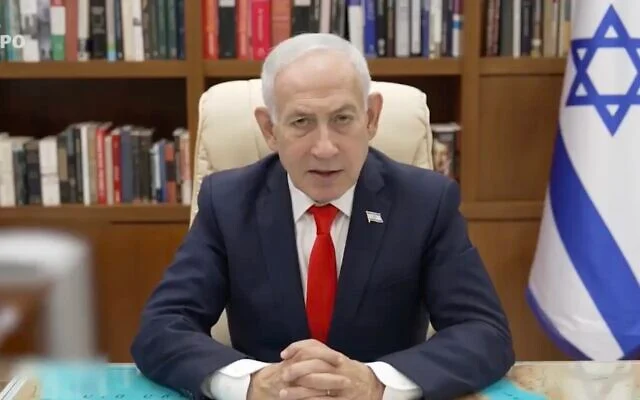
Prime Minister Benjamin Netanyahu said Wednesday that Israel is ready for the Iran war to resume, while US President Donald Trump’s administration indicated that a second round of talks with Tehran is more likely.
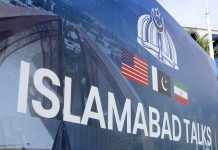
US officials said Washington is discussing holding another meeting with Iran in Pakistan and is optimistic about reaching a deal.
A Pakistani delegation arrived in Tehran on Wednesday to discuss holding a follow-up to Saturday’s meeting in Islamabad.
White House Press Secretary Karoline Leavitt told reporters further talks “would very likely” be in the Pakistani capital. “Those discussions are being had,” Leavitt said, and “we feel good about the prospects of a deal.”
US Vice President JD Vance, who led the first round of talks, has said Iran is being offered a “grand bargain” to end the six-week war with Israel and the United States and address the decades-old dispute over Tehran’s nuclear program.
Meanwhile, Netanyahu said in a video statement that the US is keeping Israel updated on its contacts with Iran and insisted that the two countries’ objectives are aligned.
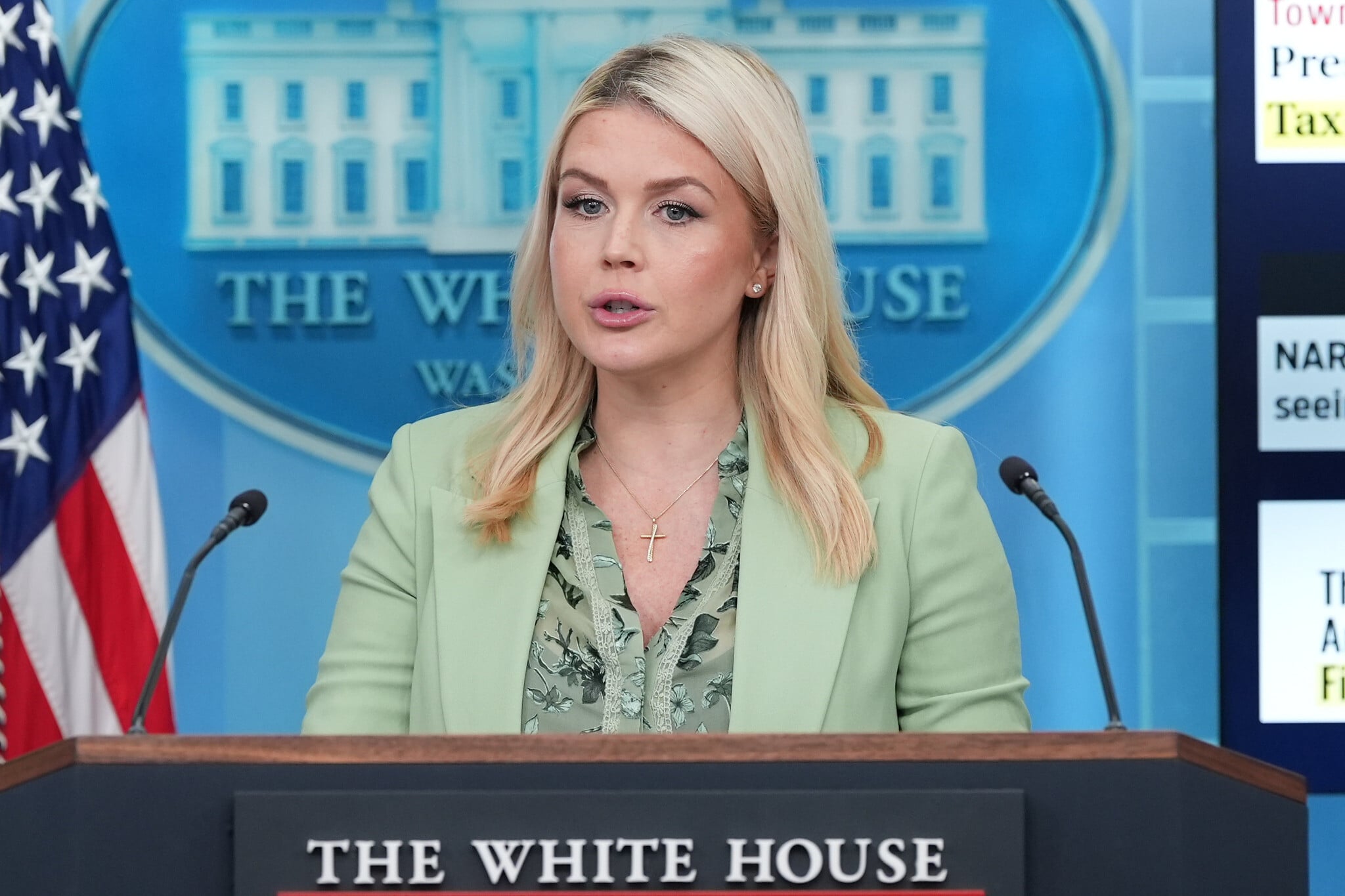
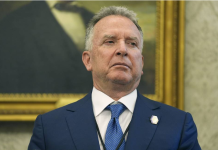
Brady Press Briefing Room at the White House, April 15, 2026, in Washington.
“We want to see Iran’s enriched material removed, and we want to see the elimination of its enrichment capability inside Iran. And of course, we want to see the reopening of the straits,” he said.
The Straight of Hormuz, through which one-fifth of the world’s crude oil normally flows, has been choked by Iranian forces since the US-Israeli offensive began and is now the focus of the US blockade.
“It is too early to say how this will end, or even how it will progress. In light of the possibility that the war may resume, we are prepared for any scenario,” Netanyahu said.
On the economic front, IMF chief Kristalina Georgieva warned of “tough times ahead” for the global economy if the war in the Middle East is unresolved and oil prices stay high, adding that inflation risks could seep into food prices.
Optimism about an accord in the US-Iran conflict sent share prices higher on Wall Street, however, with the major stock indices finishing at records on Wednesday while crude prices dropped.
Even as the US blockade on Iranian ports and renewed Iranian threats strained the ceasefire agreement, regional officials reported progress, telling The Associated Press the United States and Iran had an “in principle agreement” to extend it to allow for more diplomacy. They spoke on condition of anonymity to discuss the matter.
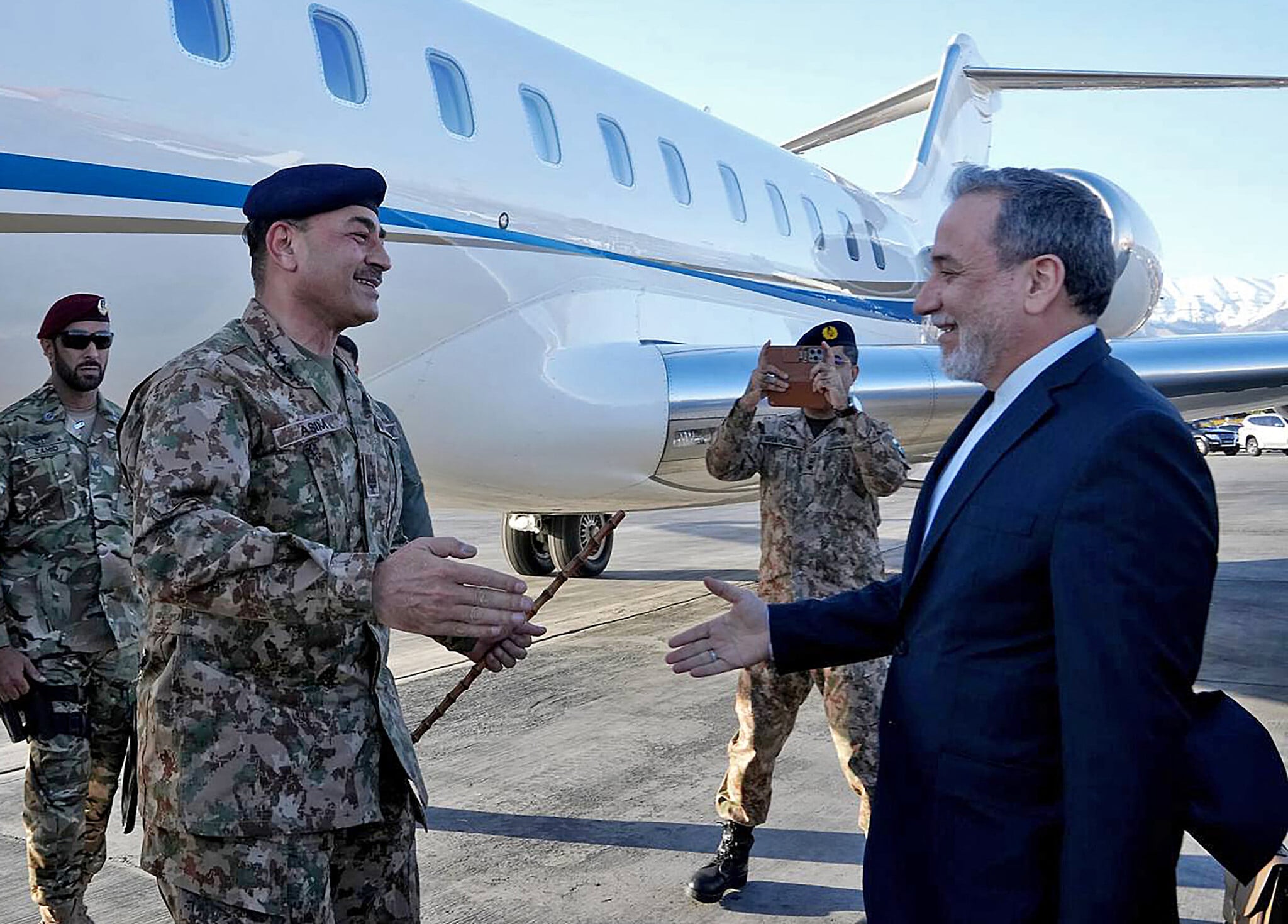
Abbas Araghchi (R) welcoming Pakistan’s Army Chief Asim Munir upon his arrival
at the airport in Tehran.
Mediators are pushing for a compromise on three main sticking points that derailed direct talks last weekend — Iran’s nuclear program, the Strait of Hormuz and compensation for wartime damages, according to a regional official involved in the mediation efforts.
Iranian Foreign Ministry spokesman Esmail Baghaei said Iran is open to discussing the type and level of its uranium enrichment, but his country “based on its needs, must be able to continue enrichment,” Iranian state media reported.
‘Zero ships have broken through’
Washington has sought to turn the screws on Tehran with a blockade of its ports, with US Central Command claiming to have “completely halted economic trade going into and out of Iran by sea.”
CENTCOM said it has turned back 10 vessels that tried to sail out of Iranian ports during the first 48 hours of the blockade and “zero ships have broken through.”
The picture based on recent maritime tracking data in the Strait of Hormuz was less clear-cut, and Iran’s Tasnim news agency reported shipping has continued from southern Iran.
The head of Iran’s military central command center warned that a US failure to lift the blockade would constitute “a prelude” to violating the two-week ceasefire struck on April 8.
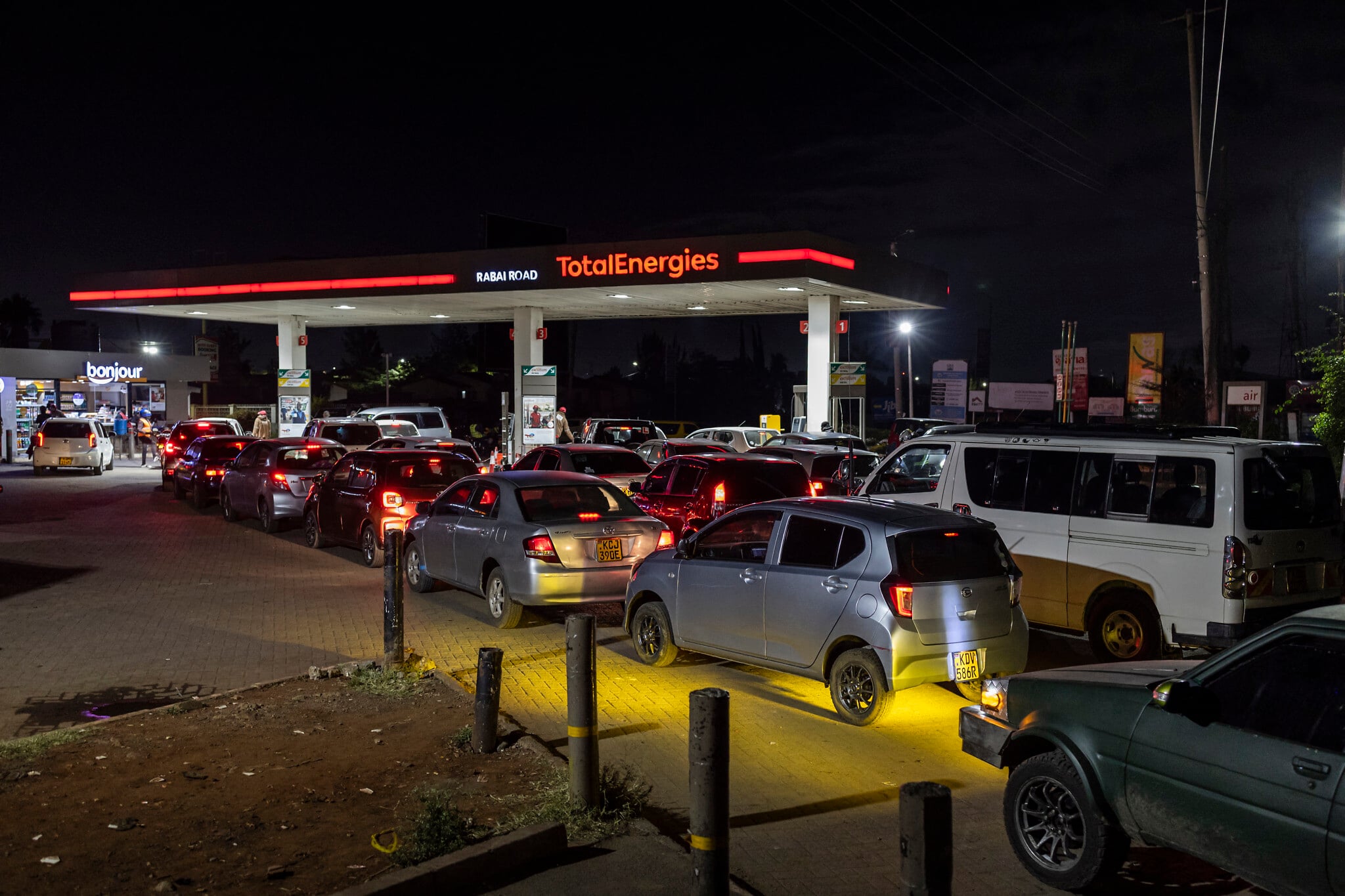
price-hike in the Kenyan capital, Nairobi on April 15, 2024.
Unless Washington relents, Iran’s armed forces “will not allow any exports or imports to continue in the Persian Gulf, the Sea of Oman and the Red Sea,” Ali Abdollahi said.
The military adviser to Iran’s supreme leader Mojtaba Khamenei warned that Iran would sink American ships in the Strait of Hormuz if the United States decides to “police” the key shipping channel.
“These ships of yours will be sunk by our first missiles,” Mohsen Rezaei, a former commander-in-chief of Iran’s Revolutionary Guards who was named as a military adviser by Khamenei last month, told state TV.
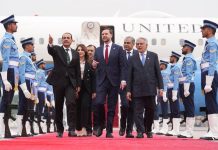
In Tehran, Iranian Foreign Minister Abbas Araghchi welcomed a Pakistani delegation on Wednesday led by army chief Asim Munir that Iranian state television said was to relay a new US message and discuss a second round of talks.
Trump has insisted that any deal with Iran must permanently bar the Islamic Republic from acquiring a nuclear weapon.
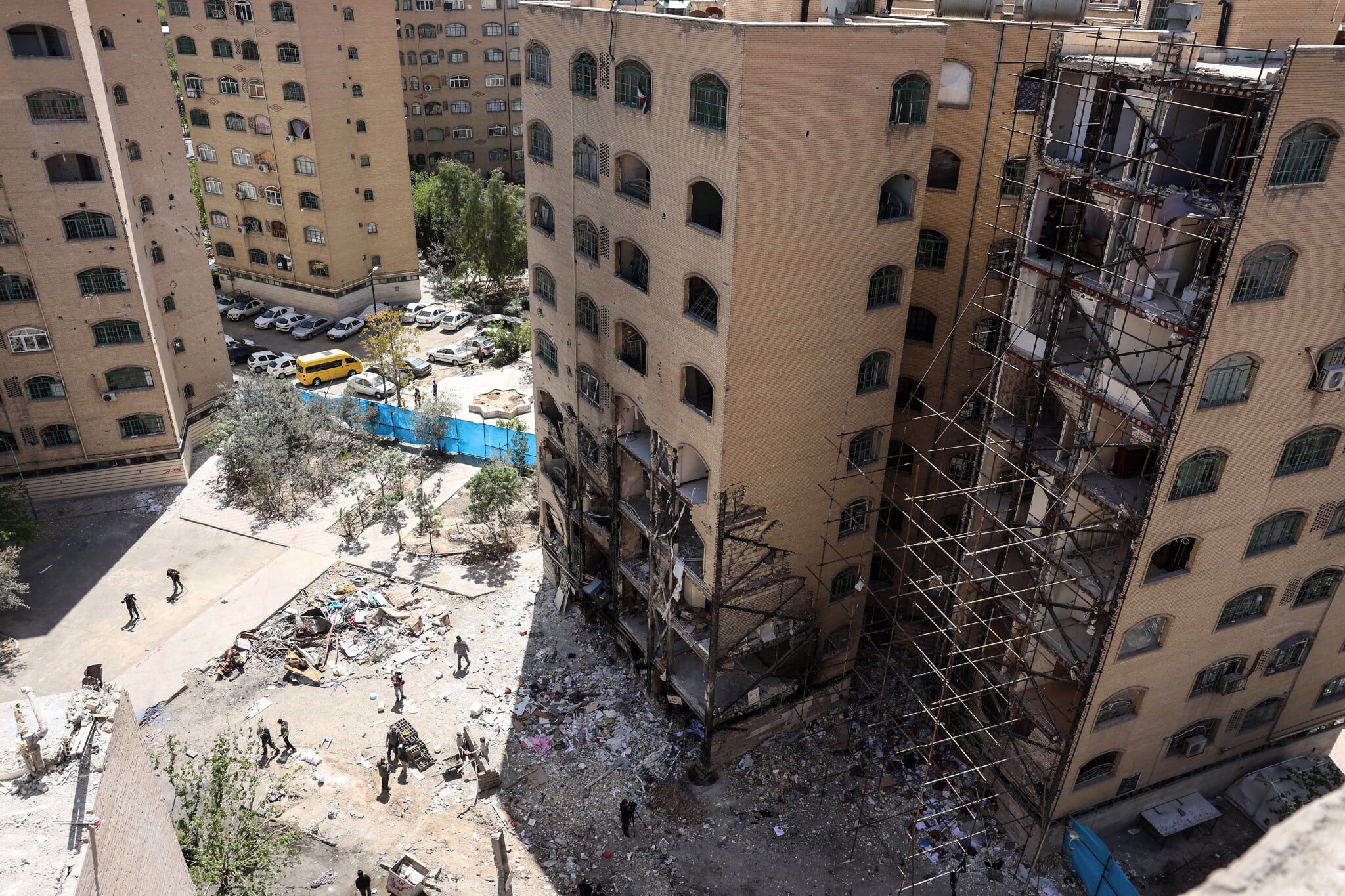
a two-week ceasefire between Iran and the United States took effect, at the Shahid
Broujerdi residential complex in southern Tehran
Washington has reportedly sought a 20-year suspension of Iran’s uranium enrichment program while Tehran has proposed suspending nuclear activity for five years — an offer US officials rejected.
Trump told Fox Business Network’s “Mornings with Maria” in a Wednesday-aired interview, “I think they want to make a deal very badly.”
In a social media post, Trump said China has agreed not to provide weapons to Iran as reports circulated that Beijing has considered transferring arms.
China has long supported Iran’s ballistic missile program and backed it with dual-use industrial components that can be used for missile production, according to the US government.
BY: Nava Freiberg and Jacob Magid – Agencies