- With tensions high as US sends warships to region, Civil Aviation Authority head said to warn foreign airlines of a ‘more sensitive period
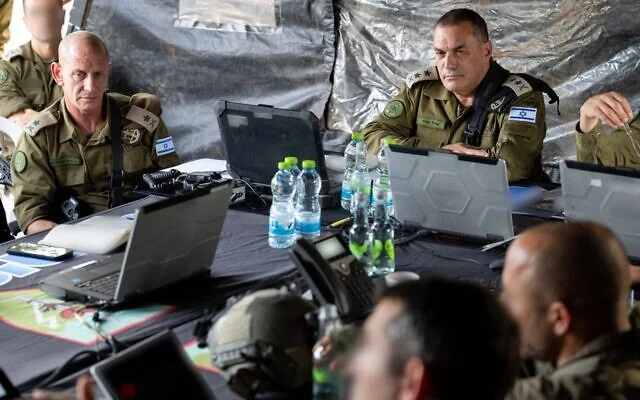
IDF Northern Command chief Maj. Gen. Rafi Milo said Sunday that the military is preparing for the possibility that a US strike on Iran could trigger Iranian retaliation against Israel.
“We don’t know where this is heading,” Milo said in remarks broadcast by Channel 12 News, as tensions continue to mount. “We see the force buildup the Americans are carrying out, both in the Persian Gulf and throughout the Middle East.”
Milo said the military is on heightened alert for any escalation, should the US decide to attack Iran.
“We are prepared and ready so that if the US decides to strike Iran, we understand it could affect Israel, with part of the Iranian response possibly reaching here,” he said.
He added that Israel is also closely watching whether Hezbollah could join a wider confrontation, saying, “We are very alert, very prepared, and ready both in strong defense and in preparing offensive responses.”
US President Donald Trump has repeatedly warned Iran that he could strike, setting two red lines for the use of military force: the killing of peaceful demonstrators and the mass execution of people arrested in the protests.
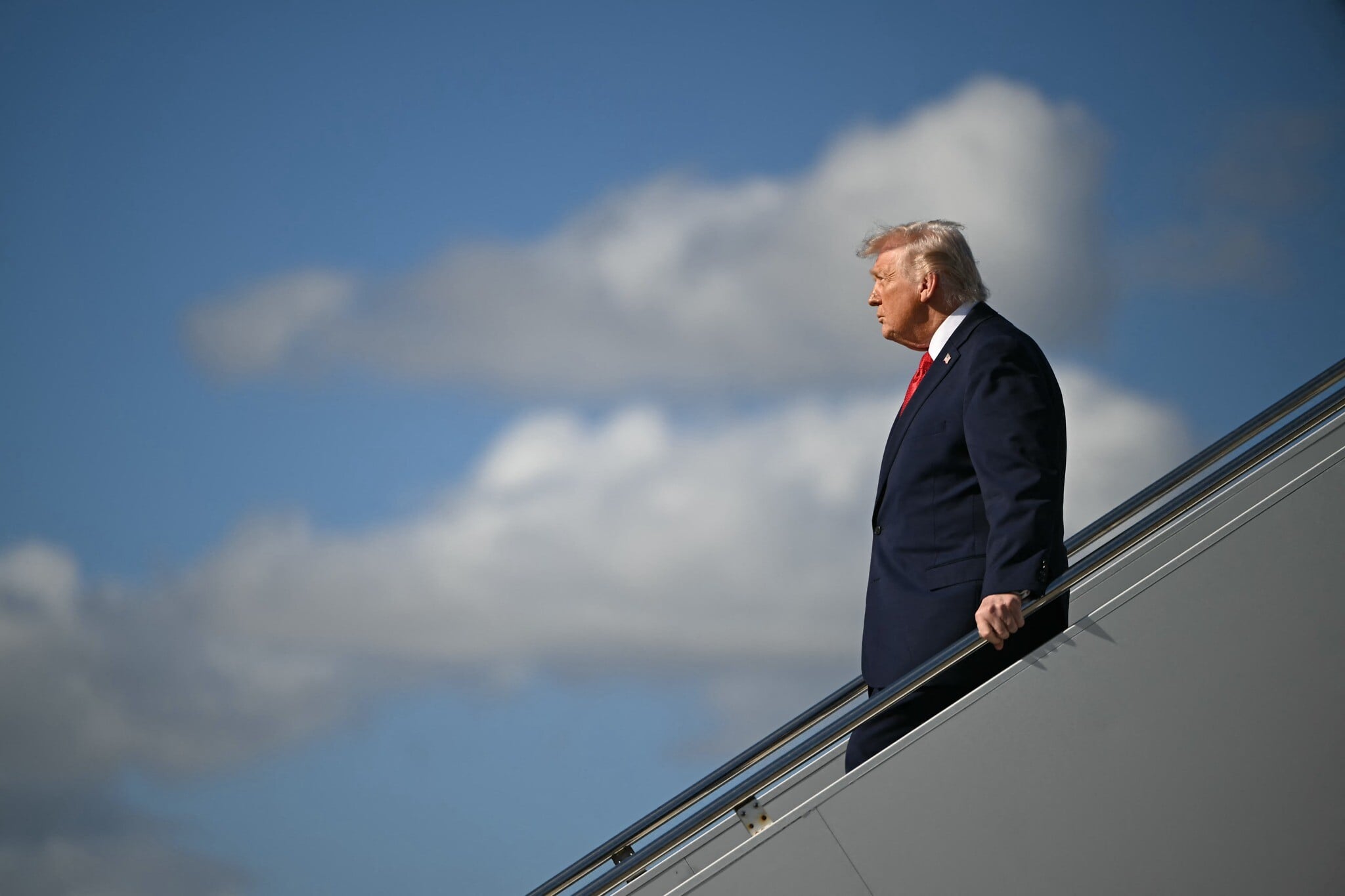
Airport in West Palm Beach, Florida, on January 16, 2026.
On Thursday, Trump said aboard Air Force One that the US was moving warships toward Iran “just in case” he wants to take action: “We have a massive fleet heading in that direction, and maybe we won’t have to use it.”
A US Navy official, who spoke on condition of anonymity to discuss military movements, said Thursday that the aircraft carrier USS Abraham Lincoln and other warships traveling with it were in the Indian Ocean.
A senior Iranian official said Friday that Iran will treat any attack “as an all-out war against us.”
As Israel remains on high alert over any potential escalation, a number of airlines have canceled some flights to and from the Middle East. During the 12-day war between Israel and Iran in June 2025, Israeli airspace was effectively shut, leaving tens of thousands of people stranded.
According to a letter obtained by Channel 12, Civil Aviation Authority head Shmuel Zakai warned foreign airlines at the weekend that the region may be entering a “more sensitive period.”
In the message, Zakai wrote that the security situation remains “dynamic,” and stressed that Israel could again move to close its airspace if necessary, while authorities continue to monitor and adjust based on developments.
The report said that Zakai issued a clarification to airlines after the letter was published, claiming he was referring to last weekend, though the letter itself included explicit references to the upcoming weekend.
Meanwhile, the network reported, El Al, Arkia, and Israir are easing the terms under which passengers can cancel tickets if necessary. It said many passengers are contacting the airlines amid fears that their flights might be canceled. As things stand, Ben Gurion Airport is functioning as normal — with the exception of a number of flights to the US canceled due to weather conditions.
Some airlines have preemptively canceled flights in the region, with Dutch airline KLM saying Saturday that it will avoid flying over large parts of the Middle East until further notice.
KLM told Dutch public broadcaster NOS that it had suspended flights until further notice to Tel Aviv, Dubai, Dammam, and Riyadh, and would not fly through the airspace of Iraq, Iran, Israel, and several countries in the Gulf.
Air France resumed its service to Dubai on Saturday after suspending it a day before, saying it was following the situation in the Middle East “in real time.”
BY: Agencies and Times of Israel staff contributed to this report.