TOKYO – Prime Minister Sanae Takaichi said Wednesday that Japan will seek to build constructive and stable relations with China through dialogue amid the recent escalation of bilateral tensions.
At a press conference after an extraordinary parliamentary session ended the same day, Takaichi called China an “important neighbor,” saying, “My stance of building constructive and stable relations remains unchanged since I took office.”
“Japan always keeps the door open for dialogue as the two nations have issues to resolve,” said Takaichi, who became the country’s first female prime minister on Oct. 21 and is known for her hawkish security views.
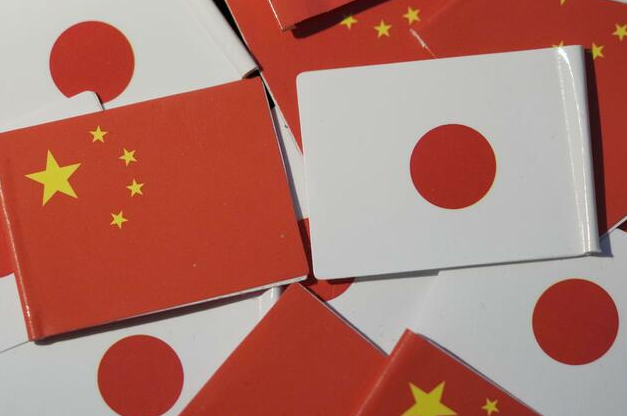
China has taken a series of measures, including a travel advisory against visiting Japan and the resuspension of Japanese seafood imports, since Takaichi suggested on Nov. 7 that an attack on Taiwan could constitute an existential threat to Japan and warrant a response from its Self-Defense Forces.
Communist-led China views the self-ruled democratic island as a renegade province to be reunified with the mainland, by force if necessary, and sees the Taiwan issue as a purely “internal affair.”
China has also been increasing its military activities. Earlier this month, Chinese fighter jets intermittently locked radar on Japanese Air Self-Defense Force aircraft in the Pacific southeast of Okinawa’s main island, according to Japan’s Defense Ministry.
“My remarks regarding the survival-threatening situation do not alter the stance held by the past governments,” Takaichi said, adding that Japan will “persistently” explain this to China and the international community at various levels.
Her predecessors avoided discussing a specific scenario when answering questions about it.
Takaichi, meanwhile, expressed hope to hold her second in-person summit with U.S. President Donald Trump “as early as possible,” while pledging to promote ties with South Korea through reciprocal visits.
In late October, Takaichi made an early diplomatic start, meeting Trump in Tokyo and holding separate talks with Chinese President Xi Jinping and South Korean President Lee Jae Myung on the sidelines of a regional gathering in South Korea.
Domestically, Takaichi’s administration has struggled to manage parliamentary affairs, as the coalition of her Liberal Democratic Party and its junior partner, the Japan Innovation Party, remains a minority in the House of Councillors and holds only a slim majority in the House of Representatives.
Media polls have shown that Takaichi’s Cabinet has maintained high approval ratings since its launch, and a snap general election triggered by dissolving the lower chamber could give the ruling bloc a chance to secure a comfortable majority.
At the news conference, Takaichi said that she has “no time to consider” dissolving the lower house, effectively ruling out a snap election anytime soon, and that the LDP will maintain the relationship with the JIP, known as Nippon Ishin.
The two parties signed a coalition deal on Oct. 20, helping Takaichi secure victory in a Diet vote to select the prime minister the following day.
BY: The Times Union – KYODO