PM denies Israel’s global standing has collapsed, blames criticism on antisemitism, touts ties with Trump and Putin, defends pardon request; Lapid urges him to admit he’s guilty and go home
Prime Minister Benjamin Netanyahu spoke in favor of a controversial bill regulating Haredi exemptions from military service on Monday, defending it for the first time during a heated Knesset debate and claiming it would lead to thousands of reservists being freed from service.
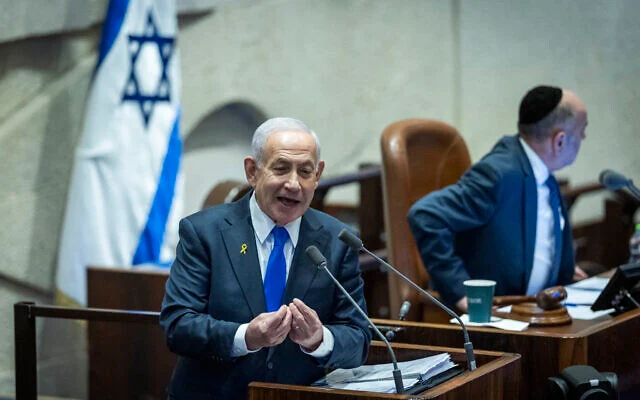
Speaking during a so-called 40-signature debate, a parliamentary mechanism that allows the opposition to compel the premier to appear once a month, Netanyahu defended not only the draft bill but also his handling of the war in Gaza, Israel’s foreign relations, and his own legal wranglings as he responded to lawmakers accusing his government of causing severe diplomatic and domestic damage through his wartime policies.
Netanyahu hit back at what the opposition described as “the collapse of Israel’s international standing,” arguing that Israel remained diplomatically, militarily, and economically dominant despite its two years at war with Hamas, highlighting his ties to global leaders and defending contentious policies ranging from his pardon request to plans for a commission of inquiry into the October 7 massacre.
He called the newly revised draft legislation “the beginning of a historic process to integrate Haredim into the IDF,” accusing the opposition of having pushed an “evasion bill,” an epithet used by critics to describe his government’s proposal.
“The law regulates the status of yeshiva students. The world of Torah has protected us for thousands of years and will continue to protect us while conscripting the Haredi public,” he added.
The premier’s defense of the government’s draft law marked his first remarks on Knesset Foreign Affairs and Defense Committee chair Boaz Bismuth’s new law to regulate conscription of ultra-Orthodox yeshiva students. The opposition, as well as several coalition members, have criticized the bill that is currently being debated in the committee, saying it contains loopholes and imposes ineffective sanctions that fail to encourage enlistment.
For the past year, the Haredi leadership has been pushing for the passage of a law that would largely keep its constituency out of the IDF, after the High Court ruled that decades-long blanket exemptions from army duty informally afforded to full-time Haredi yeshiva students were illegal.
Some 80,000 ultra-Orthodox men aged between 18 and 24 are currently believed to be eligible for military service, but have not enlisted. The IDF has said it urgently needs 12,000 recruits due to the strain on standing and reserve forces caused by the war in Gaza and other military challenges.
Netanyahu argued that the proposed bill would ease the burden on reservists and increase conscription from the Haredi public, claiming that “for every additional regular battalion from the Haredi public, 10 reserve battalions will be released,” which, he said, would lead to the release of hundreds of reserve battalions en masse.
Speaking after Netanyahu, Lapid accused the prime minister and his allies of deliberately avoiding committee discussions to distance themselves from the legislation, and vowed the bill would not pass in any form, saying the opposition would fight it by every means.
‘Stronger than ever’
After sitting through a series of scathing criticisms from opposition members, Netanyahu opened his speech by mocking the subject of the debate, calling the assertion that Israel’s global standing has collapsed over the war “a detachment from reality,” and insisting that “Israel today is stronger than ever.”
“It is the strongest power in the Middle East, and in certain fields, it is a global power,” the premier said. “This is a direct result of the way we have led the War of Revival,” he went on, using a name for the war in Gaza that the government approved in October.
“It is also the result of proper management of Israel’s economy – an economy that is breaking records,” Netanyahu added, pointing to the strength of the shekel and foreign investment. “Israel’s debt-to-GDP ratio is lower than most European countries, lower than the United States…and this is after two years of war,” he said.
“The draft evasion law is the law you brought forward, not ours,” he said, adding that his government’s proposal would achieve conscription targets “three to four times higher” than those proposed by the short-lived government led by then-prime minister Naftali Bennett and current Opposition Leader Yair Lapid.
“Many states around the world and very many world leaders are seeking us out,” Netanyahu claimed, before acknowledging that “there are challenges.” He claimed that global anger at Israel over its prosecution of the war in Gaza, as well as restrictions on humanitarian aid and allegations of insufficient protections for civilians caught in the fighting, were all to be blamed on widespread antisemitism, rather than anything Israel had done or ineffective public diplomacy.
“Waves of antisemitism are sweeping the West as a result of two things: radical Muslim minorities that have entered almost every country – first and foremost in Europe – and, alongside that, antisemitic incitement on social media, incitement amplified by anti-Zionist governments and organizations,” the premier charged.
“We are fighting this antisemitism around the world,” he continued, noting the government’s unprecedented allocation of some NIS 2.35 billion ($725 million) to the Foreign Ministry “to combat this propaganda.”
“I believe we must fight it with new methods,” Netanyahu added, while insisting that “we must look at our tremendous achievements.”
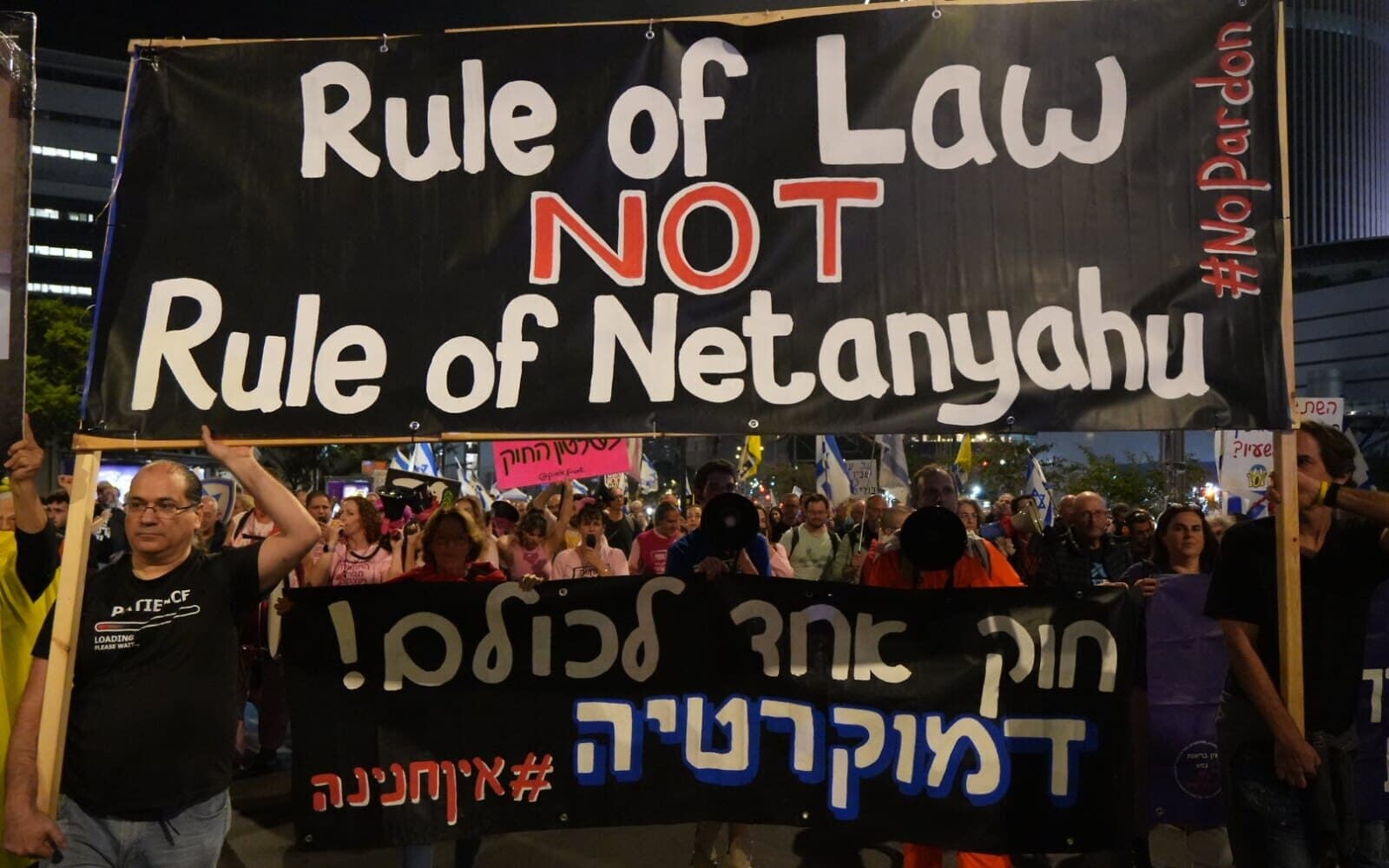
At the same time, Netanyahu argued that Israel’s diplomatic standing remained significant, pointing to the visit of German Chancellor Friedrich Merz this week — a visit he said came at Merz’s request. He also cited his upcoming December 29 meeting with US President Donald Trump in the United States, which his office announced shortly before the debate, saying that the US remains Israel’s closest ally.
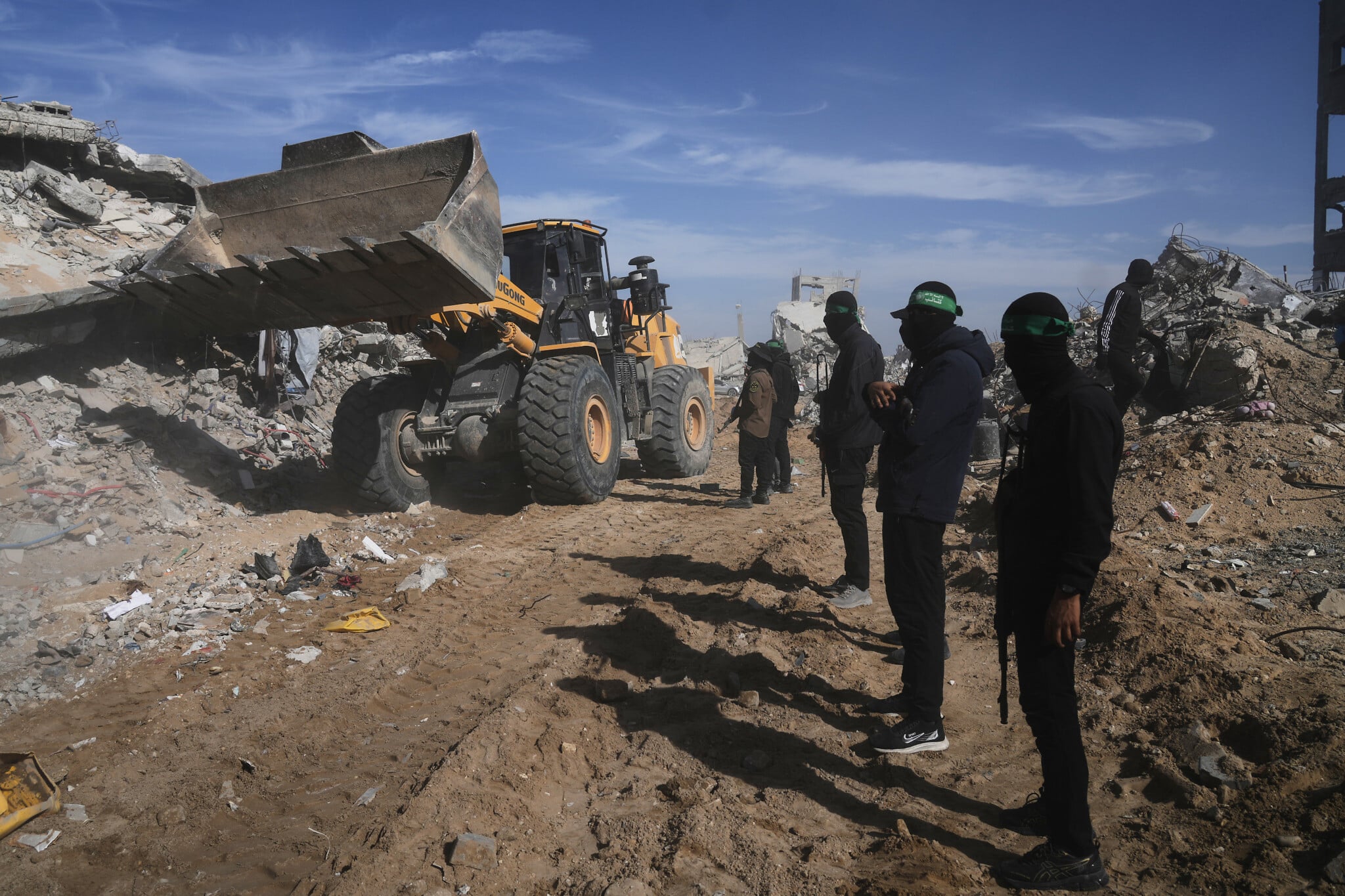
He repeated his claim that “we are on the verge of completing the first stage” of Trump’s 20-point plan for Gaza, adding that “now we are focusing on the next mission – dismantling Hamas of its weapons and demilitarizing the Gaza Strip.” He noted that efforts are still underway to return the final remaining hostage in Gaza, Ran Gvili, saying, “We will not let go of this sacred mission to bring Rani home.”
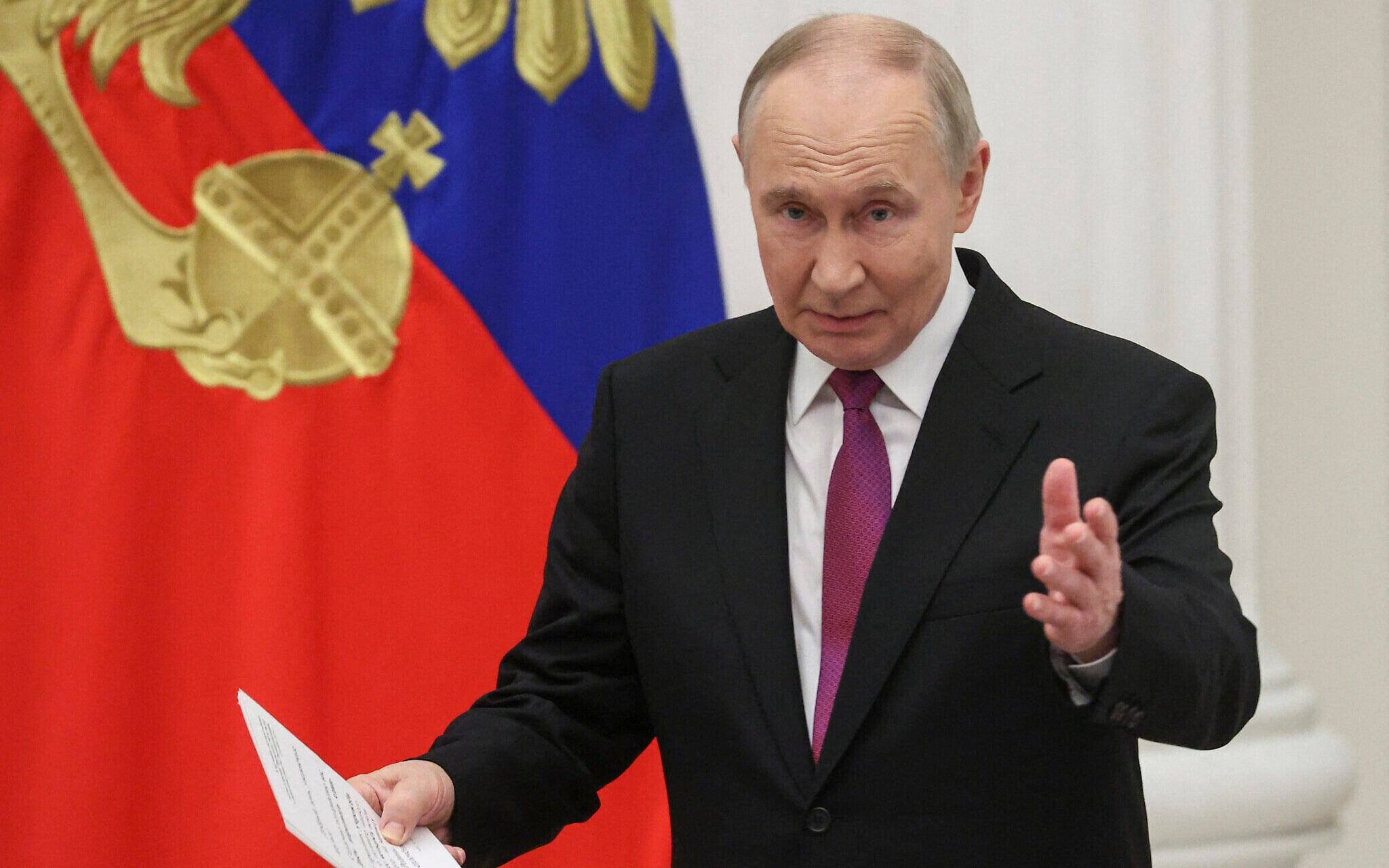
Netanyahu also touted his close ties with Russian President Vladimir Putin, largely reviled in the West for his invasion of Ukraine. Ties between Jerusalem and Moscow were essentially frozen for years, but in recent months Putin and Netanyahu have held several phone calls, during which the veteran leaders discussed regional issues related to Gaza, Syria, and Iran.
“We maintain continuous contact with another global power — Russia. I speak with President Putin on a regular basis, and this personal relationship of many years serves our vital interests. Including now, including attempts to prevent us from defending our northern border,” he said without elaborating, asserting that, “of course, that will not happen.”
Putin has urged Netanyahu to respect the “territorial integrity” of Syria, where the IDF holds a buffer zone and where Russia maintains significant military assets and air-defense systems.
The premier also addressed the contentious matters of his recent request for a pardon in his corruption trial from President Isaac Herzog and efforts to establish a commission of inquiry on the October 7 massacre.
Referencing his pardon request, Netanyahu repeated his assertion that the good of the country requires his trial be halted, saying: “There is a real dilemma here between the desire to continue exposing the injustice, the persecution, and the national needs — only some of which you know — security challenges as well as major opportunities I am working on.”
He maintained, however, that “If it comes, it comes, and if it doesn’t come, it doesn’t come.”
Lapid: Admit your guilt and go home
Lapid, in his address, urged the prime minister to “admit guilt, accept [that the crime is one of] moral turpitude, and go home,” warning that any alternative would “tear the country apart.” Crimes that are designated as moral turpitude normally require the offender to withdraw from public office.
“Without an admission [of guilt] and without [accepting that the crime constituted] moral turpitude, it’s not a pardon — it’s a prize. It means that for those with power, the laws simply don’t apply,” he said.
The opposition leader also mocked the coalition’s push to establish its own commission of inquiry into the October 7 attacks, rather than a state commission, calling it a farce that amounts to “investigating yourselves.”
December 8, 2025. (Chaim Goldberg/Flash90)
Prime Minister Benjamin Netanyahu spoke in favor of a controversial bill regulating Haredi exemptions from military service on Monday, defending it for the first time during a heated Knesset debate and claiming it would lead to thousands of reservists being freed from service.
Speaking during a so-called 40-signature debate, a parliamentary mechanism that allows the opposition to compel the premier to appear once a month, Netanyahu defended not only the draft bill but also his handling of the war in Gaza, Israel’s foreign relations, and his own legal wranglings as he responded to lawmakers accusing his government of causing severe diplomatic and domestic damage through his wartime policies.
Netanyahu hit back at what the opposition described as “the collapse of Israel’s international standing,” arguing that Israel remained diplomatically, militarily, and economically dominant despite its two years at war with Hamas, highlighting his ties to global leaders and defending contentious policies ranging from his pardon request to plans for a commission of inquiry into the October 7 massacre.
He called the newly revised draft legislation “the beginning of a historic process to integrate Haredim into the IDF,” accusing the opposition of having pushed an “evasion bill,” an epithet used by critics to describe his government’s proposal.
“The draft evasion law is the law you brought forward, not ours,” he said, adding that his government’s proposal would achieve conscription targets “three to four times higher” than those proposed by the short-lived government led by then-prime minister Naftali Bennett and current Opposition Leader Yair Lapid.
Get The Times of Israel’s Daily Editionby email and never miss our top storiesNewsletter email addressGet it
By signing up, you agree to the terms
“The law regulates the status of yeshiva students. The world of Torah has protected us for thousands of years and will continue to protect us while conscripting the Haredi public,” he added.
The premier’s defense of the government’s draft law marked his first remarks on Knesset Foreign Affairs and Defense Committee chair Boaz Bismuth’s new law to regulate conscription of ultra-Orthodox yeshiva students. The opposition, as well as several coalition members, have criticized the bill that is currently being debated in the committee, saying it contains loopholes and imposes ineffective sanctions that fail to encourage enlistment.
For the past year, the Haredi leadership has been pushing for the passage of a law that would largely keep its constituency out of the IDF, after the High Court ruled that decades-long blanket exemptions from army duty informally afforded to full-time Haredi yeshiva students were illegal.
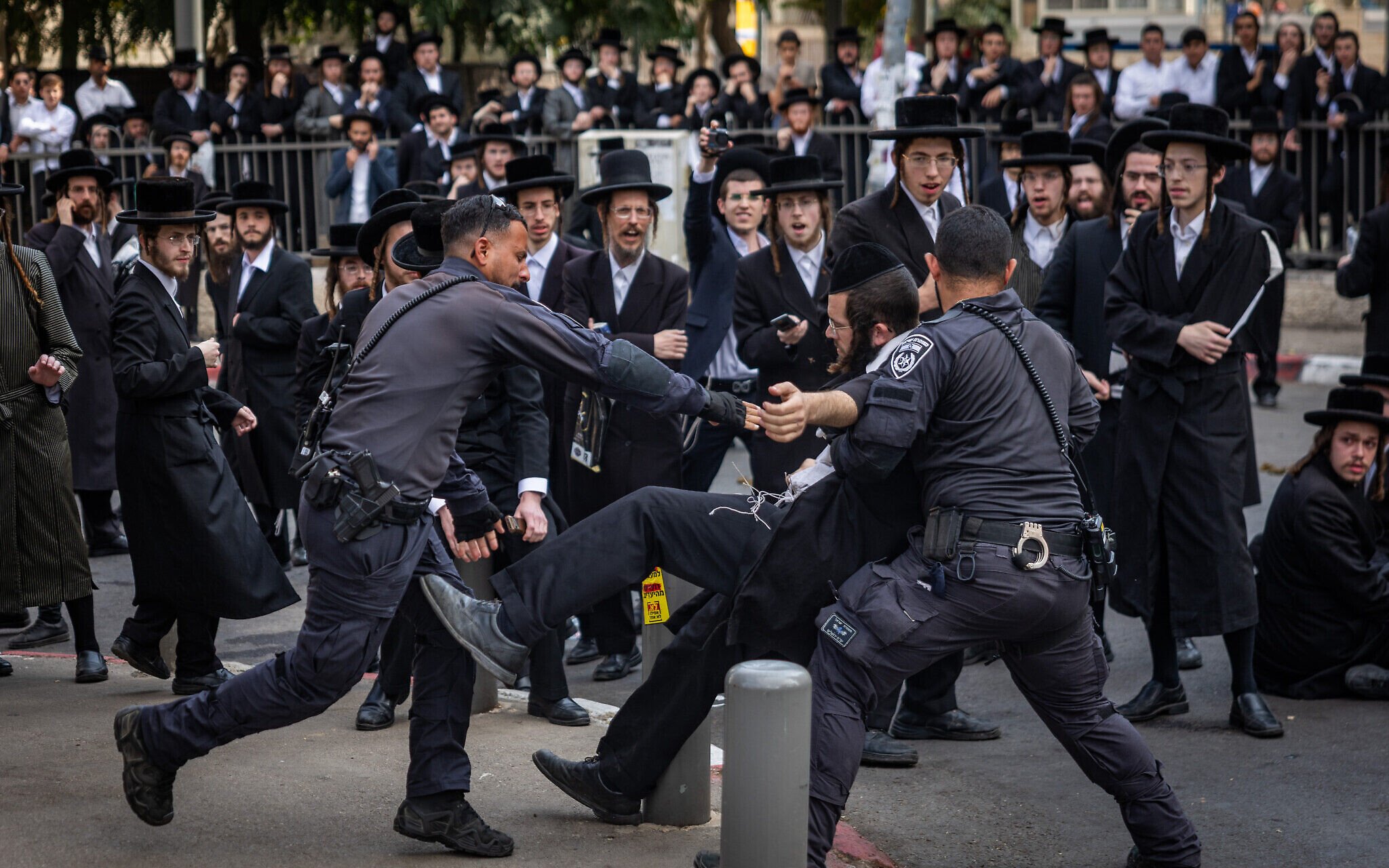
Some 80,000 ultra-Orthodox men aged between 18 and 24 are currently believed to be eligible for military service, but have not enlisted. The IDF has said it urgently needs 12,000 recruits due to the strain on standing and reserve forces caused by the war in Gaza and other military challenges.
Netanyahu argued that the proposed bill would ease the burden on reservists and increase conscription from the Haredi public, claiming that “for every additional regular battalion from the Haredi public, 10 reserve battalions will be released,” which, he said, would lead to the release of hundreds of reserve battalions en masse.
Speaking after Netanyahu, Lapid accused the prime minister and his allies of deliberately avoiding committee discussions to distance themselves from the legislation, and vowed the bill would not pass in any form, saying the opposition would fight it by every means.
‘Stronger than ever’
After sitting through a series of scathing criticisms from opposition members, Netanyahu opened his speech by mocking the subject of the debate, calling the assertion that Israel’s global standing has collapsed over the war “a detachment from reality,” and insisting that “Israel today is stronger than ever.”
“It is the strongest power in the Middle East, and in certain fields, it is a global power,” the premier said. “This is a direct result of the way we have led the War of Revival,” he went on, using a name for the war in Gaza that the government approved in October.
“It is also the result of proper management of Israel’s economy – an economy that is breaking records,” Netanyahu added, pointing to the strength of the shekel and foreign investment. “Israel’s debt-to-GDP ratio is lower than most European countries, lower than the United States…and this is after two years of war,” he said.
Advertisement
“Many states around the world and very many world leaders are seeking us out,” Netanyahu claimed, before acknowledging that “there are challenges.” He claimed that global anger at Israel over its prosecution of the war in Gaza, as well as restrictions on humanitarian aid and allegations of insufficient protections for civilians caught in the fighting, were all to be blamed on widespread antisemitism, rather than anything Israel had done or ineffective public diplomacy.
“Waves of antisemitism are sweeping the West as a result of two things: radical Muslim minorities that have entered almost every country – first and foremost in Europe – and, alongside that, antisemitic incitement on social media, incitement amplified by anti-Zionist governments and organizations,” the premier charged.
“We are fighting this antisemitism around the world,” he continued, noting the government’s unprecedented allocation of some NIS 2.35 billion ($725 million) to the Foreign Ministry “to combat this propaganda.”
“I believe we must fight it with new methods,” Netanyahu added, while insisting that “we must look at our tremendous achievements.”
At the same time, Netanyahu argued that Israel’s diplomatic standing remained significant, pointing to the visit of German Chancellor Friedrich Merz this week — a visit he said came at Merz’s request. He also cited his upcoming December 29 meeting with US President Donald Trump in the United States, which his office announced shortly before the debate, saying that the US remains Israel’s closest ally.
He repeated his claim that “we are on the verge of completing the first stage” of Trump’s 20-point plan for Gaza, adding that “now we are focusing on the next mission – dismantling Hamas of its weapons and demilitarizing the Gaza Strip.” He noted that efforts are still underway to return the final remaining hostage in Gaza, Ran Gvili, saying, “We will not let go of this sacred mission to bring Rani home.”
Netanyahu also touted his close ties with Russian President Vladimir Putin, largely reviled in the West for his invasion of Ukraine. Ties between Jerusalem and Moscow were essentially frozen for years, but in recent months Putin and Netanyahu have held several phone calls, during which the veteran leaders discussed regional issues related to Gaza, Syria, and Iran.
“We maintain continuous contact with another global power — Russia. I speak with President Putin on a regular basis, and this personal relationship of many years serves our vital interests. Including now, including attempts to prevent us from defending our northern border,” he said without elaborating, asserting that, “of course, that will not happen.”
Advertisement
Putin has urged Netanyahu to respect the “territorial integrity” of Syria, where the IDF holds a buffer zone and where Russia maintains significant military assets and air-defense systems.
The premier also addressed the contentious matters of his recent request for a pardon in his corruption trial from President Isaac Herzog and efforts to establish a commission of inquiry on the October 7 massacre.
Referencing his pardon request, Netanyahu repeated his assertion that the good of the country requires his trial be halted, saying: “There is a real dilemma here between the desire to continue exposing the injustice, the persecution, and the national needs — only some of which you know — security challenges as well as major opportunities I am working on.”
He maintained, however, that “If it comes, it comes, and if it doesn’t come, it doesn’t come.”
Lapid: Admit your guilt and go home
Lapid, in his address, urged the prime minister to “admit guilt, accept [that the crime is one of] moral turpitude, and go home,” warning that any alternative would “tear the country apart.” Crimes that are designated as moral turpitude normally require the offender to withdraw from public office.
“Without an admission [of guilt] and without [accepting that the crime constituted] moral turpitude, it’s not a pardon — it’s a prize. It means that for those with power, the laws simply don’t apply,” he said.
The opposition leader also mocked the coalition’s push to establish its own commission of inquiry into the October 7 attacks, rather than a state commission, calling it a farce that amounts to “investigating yourselves.”
Advertisement

The government decided last month to establish its own probe into the failures surrounding the Hamas invasion and massacre on October 7, 2023, rather than set up the state commission of inquiry that is traditionally formed to investigate significant disasters.
Netanyahu has long opposed the establishment of a state commission of inquiry into the onslaught – the single deadliest day for Jews since the Holocaust and the worst disaster in modern Israeli history – despite polls that have consistently indicated a clear majority of Israelis support it, including the families of hostages and those murdered during the attacks.
“The establishment of the commission and its makeup will be done equally between the coalition and the opposition,” Netanyahu said during his address. “Who could oppose this? Only someone who does not want to reveal the truth,”
He added that it will be “an independent commission of inquiry that will enjoy broad public trust,” and that “it will be a challenging one. Everyone will be challenged.”
BY: Nava Freiberg and Ariela Karmel